Bindhyabasini Temple: History, Significance & Religious Importance
Discover Bindhyabasini Temple in Pokhara—its history, religious significance, goddess worship, festivals, architecture, and why it’s a sacred Nepalese landmark.
 alissaperry
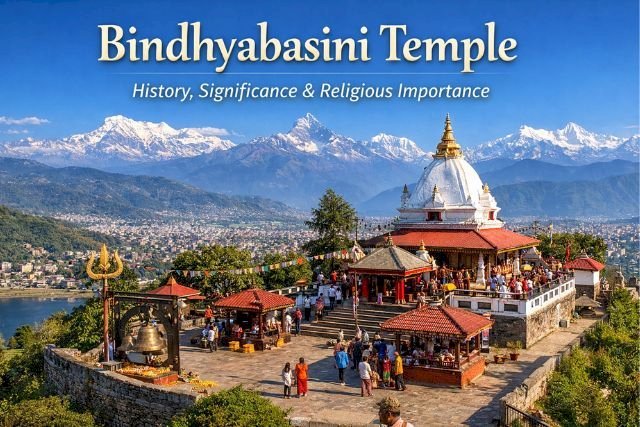
Nestled gracefully on a small hill overlooking the vibrant city of Pokhara, Bindhyabasini Temple stands as one of Nepal’s most revered Hindu shrines. For centuries, it has been a powerful spiritual center for devotees while also attracting travelers seeking cultural depth, scenic views, and a deeper understanding of Nepalese religious life.
Unlike temples hidden deep in forests or remote mountain passes, Bindhyabasini Temple occupies a unique position—both physically and culturally. It is easily accessible, deeply embedded in local life, and spiritually significant on a national scale. Dedicated to a fierce yet compassionate form of the Divine Mother, the temple symbolizes protection, strength, and divine balance.
This comprehensive guide explores the history, mythology, religious importance, architecture, festivals, rituals, and visitor experience of Bindhyabasini Temple—offering everything you need to know about one of Pokhara’s most sacred landmarks.
Location & Overview
Bindhyabasini Temple is located in the northern part of Pokhara, near the historic Old Bazaar area. Perched atop a modest hill, the temple provides sweeping panoramic views of Pokhara’s neighborhoods, surrounding hills, and—on clear days—the distant Himalayan range.
Despite Pokhara’s reputation as an adventure hub filled with trekkers and paragliders, Bindhyabasini Temple represents the city’s deeply spiritual soul. It is a place where daily worship, family rituals, and major festivals unfold continuously, blending seamlessly with modern urban life.
The temple complex includes:
-
The main shrine of the goddess
-
Smaller subsidiary shrines
-
Courtyards for offerings and gatherings
-
Open viewpoints overlooking the city
Its elevated location is symbolic as well as practical—representing closeness to the divine while providing a calm refuge from the bustle below.
History of Bindhyabasini Temple
Origins of the Temple
The origins of Bindhyabasini Temple date back several centuries, rooted in the early settlement of Pokhara Valley. While exact construction dates vary across historical records, it is widely believed that the temple was established by local rulers and devotees who recognized the hilltop as a spiritually potent site.
As Pokhara grew from a trade route settlement into a prominent city, the temple remained a constant—serving as both a religious anchor and a protector of the valley.
Mythological Background
Bindhyabasini Temple is dedicated to Goddess Durga, worshipped here in her Bindhyabasini form—a manifestation associated with power, protection, and maternal strength.
According to Hindu mythology, the name Bindhyabasini is linked to the Vindhya region of India, where the goddess is believed to have resided after defeating demonic forces. Over time, her worship spread across the Himalayan region, where she became a guardian deity for settlements and kingdoms.
Local legends suggest that the goddess chose the Pokhara hilltop as her abode, and that her presence brought stability, fertility, and protection to the region.
Evolution Through Time
Over generations, Bindhyabasini Temple has undergone renovations and expansions, particularly after natural wear and seismic events common in Nepal. Despite these changes, the temple has preserved its traditional character, architecture, and ritual practices.
The surrounding city has modernized rapidly, but the temple remains a timeless spiritual center—bridging ancient belief systems with contemporary Nepalese life.
Religious Significance of Bindhyabasini Temple
Deity Worshipped
At the heart of the temple is the sacred idol of Goddess Bindhyabasini, a powerful form of Durga representing:
-
Protection from harm
-
Victory over negative forces
-
Strength for families and communities
Devotees believe the goddess listens closely to sincere prayers, especially those related to health, prosperity, and family well-being.
Importance in Hinduism
In Hindu philosophy, the Divine Mother is the source of all energy (Shakti). Bindhyabasini Temple plays a vital role in Shakti worship in western Nepal, serving as a focal point for rituals that honor the feminine divine power.
The temple is particularly significant for:
-
Families seeking blessings
-
New ventures and life milestones
-
Protection rituals and thanksgiving offerings
Pilgrimage Importance
For many Nepalese Hindus, visiting Bindhyabasini Temple is not just a casual activity—it is a spiritual obligation. Pilgrims from surrounding districts often plan visits during auspicious dates, festivals, and personal life events.
Cultural Importance in Nepalese Society
Bindhyabasini Temple is deeply woven into Pokhara’s cultural identity. It is a place where:
-
Children are brought for their first blessings
-
Families pray before major decisions
-
Communities gather during festivals
The temple also reinforces social harmony, bringing together people from different backgrounds under shared spiritual traditions.