Food Truck Business Plan: Costs, Equipment, Menu Ideas & Profit Tips (2025–2026 Guide)
Create a complete food truck business plan with updated startup costs, essential equipment, menu ideas, licensing, location strategy, marketing tactics, and proven profit tips for long-term success.
 alissaperry
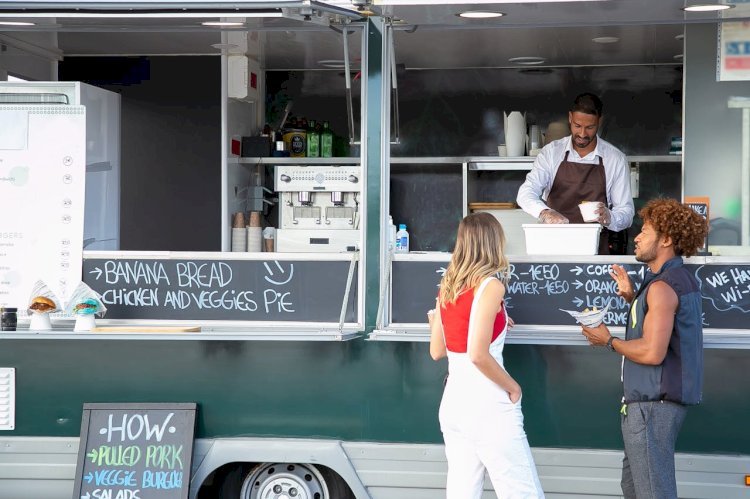
Starting a food truck business is one of the most profitable and flexible ways to enter the food industry in 2025. With low startup costs compared to restaurants, high mobility, and a growing demand for street food culture, food trucks have become a popular choice for new entrepreneurs.
This complete guide breaks down costs, equipment, menu ideas, legal requirements, location strategies, marketing, and profit tips—everything you need to create a winning food truck business plan.
What Is a Food Truck Business?
A food truck business is a mobile kitchen that serves food and beverages at various locations such as streetsides, events, office zones, and festivals.
How It Works:
-
Prepare food inside a customized vehicle
-
Move between high-traffic locations
-
Serve walk-in customers or event-based orders
-
Operate with flexible hours
Food Truck vs. Food Trailer vs. Stall
| Model | Cost | Mobility | Best For |
|---|---|---|---|
| Food Truck | Higher | High | Full-time business |
| Food Trailer | Medium | Moderate | Events & weekend sales |
| Food Stall/Kiosk | Low | None | Fixed locations |
Food trucks are the most versatile and profitable due to their mobility and high customer reach.
Why Start a Food Truck Business in 2025?
Food trucks continue to grow due to:
-
Lower startup cost compared to opening a restaurant
-
High demand for convenient, specialty, and gourmet street food
-
Flexibility to change locations
-
Less risk and faster break-even
-
Rise of food festivals, corporate events & weddings
-
Huge social media potential
With the right business plan, a food truck can generate 30–50% profit margins.
Step-by-Step Food Truck Business Plan
1 Executive Summary
Your executive summary should include:
-
Business name & concept
-
What type of food you will serve
-
Your target market (office workers, students, tourists, event-goers)
-
Your competitive advantage
-
Short-term goal (launch in 3–6 months)
-
Long-term goal (expand into multiple trucks or a café)
2 Market Research & Industry Analysis
Conduct thorough research before launching.
Key Points to Analyse:
-
Popular cuisines in your area
-
Competitor food trucks & restaurants
-
Customer buying behaviour
-
Price range in local market
-
Busy hours & peak locations
SWOT Analysis Example
-
Strengths: Low rent, fast service
-
Weaknesses: Weather dependency
-
Opportunities: High demand for street food
-
Threats: Competition, rising ingredient costs
3 Food Truck Concept & Branding
Your concept is your identity.
Choose a Concept:
-
Gourmet burgers
-
Tacos & Mexican food
-
BBQ truck
-
Coffee & dessert truck
-
Vegan or organic food
-
Breakfast truck
-
Ethnic cuisine (Thai, Indian, Greek, etc.)
Branding Elements:
-
Catchy business name
-
Attractive logo
-
Food truck body design/wrap
-
Menu design
-
Strong social media presence
A unique concept + great branding helps you stand out immediately.
4 Menu Planning & Pricing Strategy
A food truck must have a simple but profitable menu.
Tips for Menu Creation:
-
Keep 5–10 items
-
Choose dishes that are fast to prepare
-
Focus on high-margin ingredients
-
Maintain consistent taste
-
Offer combo deals to increase revenue
Pricing Formula:
Menu Price = (Food Cost + Labour Cost + Overheads) + Profit Margin
Profitable Menu Ideas:
-
Loaded fries
-
Sandwiches & wraps
-
Milkshakes & smoothies
-
Rice bowls
-
Tacos & burritos
-
Pizza slices
-
Kebabs & grilled foods
5. Food Truck Startup Costs
Starting a food truck requires a moderate investment. Costs vary depending on your country, truck size, and equipment.
A. Food Truck Cost
-
Used truck: $25,000–$50,000
-
New truck: $70,000–$150,000
B. Equipment Cost
-
$10,000–$25,000 depending on appliances
C. Licenses & Permits
-
$500–$5,000
D. Marketing & Branding
-
Truck wrap: $2,500–$6,000
-
Website & branding: $300–$1,500
E. Inventory & Supplies
-
Initial stock: $1,000–$3,000
F. Staff Cost
-
Monthly: $1,500–$4,000 (based on team size)
G. Monthly Operating Costs
-
Fuel
-
Raw materials
-
Parking fees
-
Equipment maintenance
On average, you need $40,000–$120,000 to start a food truck business.
Food Truck Business Plan Template
Include:
-
Executive Summary sample
-
Sample menu pricing
-
Sample startup budget table
-
Sample monthly profit forecast
Food Truck Startup Costs by Country
| Country | Average Startup Cost |
|---|---|
| USA | $50,000–$150,000 |
| UK | £20,000–£60,000 |
| Canada | CAD 45,000–120,000 |
| India | ₹8–20 lakh |
| Australia | AUD 40,000–100,000 |
Equipment Needed for a Food Truck
A fully functional food truck requires essential kitchen equipment:
Cooking Equipment
-
Grill or griddle
-
Deep fryer
-
Gas burners
-
Oven
-
Microwave
Refrigeration
-
Under-counter fridge
-
Freezer
-
Beverage cooler
Preparation & Storage
-
Stainless steel countertops
-
Food prep stations
-
Storage racks
-
Water tank & sink
Other Essentials
-
POS system
-
Fire extinguisher & safety gear
-
Generator
-
Ventilation hood
-
Cleaning supplies
Choose equipment based on your menu type.
Licensing & Legal Requirements
A food truck must meet several legal requirements before operating.
Common Licences Needed:
-
Business registration
-
Food truck licence
-
Food hygiene certificate
-
Fire safety clearance
-
Health inspection approval
-
Parking & location permits
-
Commercial vehicle insurance
Legal compliance ensures safety and prevents fines or shutdowns.
Location Strategy & Operating Setup
Choosing the right location can 3X your sales.
Best Locations:
-
Office complexes
-
Business districts
-
Colleges & universities
-
Tourist attractions
-
Parks
-
Food festivals
-
Night markets
-
Corporate events & weddings
Tips:
-
Move your truck based on footfall
-
Monitor weekly sales patterns
-
Partner with local breweries
-
Attend weekend events for extra sales
Staffing & Management Plan
Depending on your size, you may need:
Team Roles:
-
Chef/cook
-
Cashier/server
-
Manager
-
Helper/assistant
Responsibilities Include:
-
Food prep
-
Cleaning
-
Customer service
-
Managing inventory
-
Social media updates
Train staff in hygiene, speed, and consistency.
Food Truck Marketing Plan
1 Online Marketing
-
Instagram & TikTok videos
-
Google Business listing
-
Online menu & website
-
Partnerships with food delivery apps
-
Influencer reviews
-
Location updates on social media
2 Offline Marketing
-
Flyers & banners
-
Loyalty cards
-
Offers for offices & events
-
Collaborations with local businesses
A strong marketing plan helps you build a loyal customer base.
Technology & Digital Tools for Modern Food Trucks
Modern food trucks increasingly rely on technology to streamline operations and improve customer experience. Cloud-based POS systems help track daily sales, inventory usage, and peak ordering times in real time. Many systems also integrate with digital wallets and contactless payments, which customers now expect.
Inventory management apps reduce food waste by monitoring stock levels and forecasting demand. Social media scheduling tools allow operators to automate location updates and promotions, saving valuable time. Some food trucks even use AI-powered pricing tools to adjust menu prices based on demand, events, or ingredient costs. Leveraging the right technology improves efficiency, reduces errors, and increases long-term profitability.
Revenue Model & Profitability
How Food Trucks Make Money:
-
Daily sales
-
Catering services
-
Corporate bookings
-
Festivals & events
-
Combo meals
-
Seasonal special menus
Average Sales & Profit
-
Daily revenue: $500–$2,000
-
Monthly revenue: $10,000–$30,000
-
Profit margin: 30–50%
-
Break-even: 6–18 months
Tips to Increase Profit
-
Use cost-efficient suppliers
-
Reduce food waste
-
Offer meal combos
-
Sell drinks for higher margins
-
Add weekend event catering
-
Use social media aggressively
Food Truck Profit Optimization Strategies (Advanced Tips)
Beyond basic cost control, successful food truck owners use data-driven and operational strategies to maximize profit. Tracking best-selling menu items helps identify “hero products” that should be promoted more aggressively, while low-performing items should be removed to reduce waste. Many profitable trucks also implement limited-time offers (LTOs) to create urgency and increase average order value.
Another key strategy is optimizing prep workflows. Pre-portioning ingredients, batch cooking during off-peak hours, and standardizing recipes reduce service time and labor costs. Some food truck operators increase margins by sourcing ingredients locally or negotiating long-term supplier contracts. Even small reductions in ingredient costs can significantly improve monthly profits when scaled over time.
Risks & Challenges
Food trucks also face obstacles:
-
Weather restrictions
-
High competition
-
Limited parking
-
Equipment breakdown
-
Seasonal demand
-
Health inspections
-
Ingredient price fluctuations
Planning reduces risks and improves long-term stability.
Financial Plan & Projections
Your business plan must include:
Startup Costs Worksheet
-
Truck purchase
-
Equipment
-
Licensing fees
-
Branding expenses
Operating Expenses
-
Staff wages
-
Ingredients
-
Fuel & maintenance
-
Advertising
-
Insurance
Financial Projections
-
12-month revenue forecast
-
Expected monthly expenses
-
Break-even calculation
-
Profit potential per item
How to Fund Your Food Truck Business
-
Bank loans
-
Government small-business grants
-
Food truck–specific lenders
-
Investors & partnerships
-
Crowdfunding
Include real numbers:
-
Typical down payment: 10–30%
-
Interest range
-
Grant ranges
Food Truck Business Scalability & Expansion Options
Once a food truck achieves consistent profitability, scaling becomes the next logical step. Many operators expand by launching additional trucks under the same brand, allowing them to cover multiple locations and events simultaneously. Others transition into catering-only operations or open a small physical restaurant using the food truck as a testing ground.
Another popular expansion model is franchising. A well-documented menu, standardized processes, and strong branding can allow food truck owners to license their concept to new operators. Some brands also expand into packaged food products, such as sauces or frozen items, creating passive income streams. Planning scalability early ensures long-term growth without losing quality or control.
Common Food Truck Business Mistakes to Avoid
-
Choosing the wrong location
-
Overcomplicated menus
-
Underpricing food
-
Ignoring permits
-
Poor inventory planning
Food Truck vs Restaurant: Which Is More Profitable?
| Factor | Food Truck | Restaurant |
|---|---|---|
| Startup Cost | Low | Very High |
| Risk | Lower | Higher |
| Flexibility | High | Low |
| Profit Margin | 30–50% | 10–20% |
Conclusion
The food truck business is one of the best entry-level food ventures due to its low startup cost, high profitability, and flexibility. With proper planning, strong branding, and strategic menu choices, you can build a successful food truck that attracts daily customers and high-paying events.
A detailed business plan, smart marketing, and consistent quality are the keys to long-term success.
FAQs
1. How much does it cost to start a food truck business?
$40,000–$120,000 depending on the truck and equipment.
2. Is a food truck profitable in 2025?
Yes, most food trucks earn 30–50% profit margins.
3. What licences do I need?
Food truck licence, food hygiene certification, vehicle insurance, and parking permits.
4. What food items sell best?
Burgers, tacos, wraps, rice bowls, loaded fries, coffee, ice cream.
5. How long does it take to launch a food truck?
Typically 3–6 months including planning and permits.
Read More: 20 Profitable Trading Business Ideas in the UK (Low Investment + High Demand)