Best Vacuum for Tile Floors: Top Picks for Powerful & Scratch-Free Cleaning
Looking for the best vacuum for tile floors? Compare top models, features, and expert tips to clean tiles and grout without scratching or damage.
 alissaperry
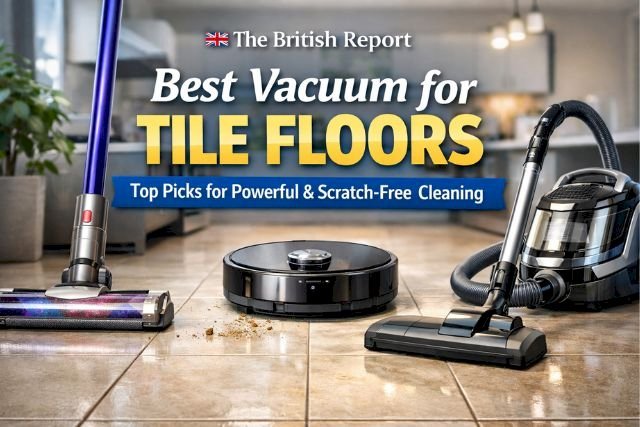
Tile floors are one of the most popular flooring choices in modern homes — and for good reason. Ceramic, porcelain, marble, and stone tiles are durable, stylish, and easy to maintain. However, keeping them truly clean requires the right vacuum. Using the wrong model can scatter debris, leave fine dust in grout lines, or even scratch delicate tile surfaces.
This in-depth guide breaks down the best vacuum cleaners for tile floors, explaining what actually matters when cleaning hard surfaces. We’ll cover expert buying advice, real-world cleaning tips, and top vacuum picks that deliver powerful suction without damaging your tiles.
Whether you live in an apartment, have pets, or maintain a large tiled home, this guide will help you choose the perfect vacuum with confidence.
Why Tile Floors Need a Specialized Vacuum
Tile flooring behaves very differently from carpet. While carpet fibers trap debris until suction lifts it out, tile floors allow dust, sand, and grit to slide freely across the surface. That means:
-
Fine debris often collects in grout lines
-
Stiff brush rolls can scratch tiles
-
Weak suction simply pushes dirt around
-
Poor filtration releases dust back into the air
Unlike carpet vacuums that rely on aggressive agitation, tile floors require controlled suction, soft rollers, and excellent maneuverability.
Common Problems When Vacuuming Tile Floors
Many homeowners unknowingly damage or poorly clean their tile floors by using the wrong equipment. Here are the most common issues:
Scratches from Hard Brush Rolls
Carpet-focused vacuums often use stiff bristles designed to dig into fibers. On tile, those bristles can drag grit across the surface, leaving micro-scratches — especially on glossy or natural stone tiles.
Missed Dirt in Grout Lines
Grout lines act like tiny trenches that collect dust, crumbs, and pet hair. Vacuums without strong edge suction or narrow airflow paths struggle to remove this embedded debris.
Dust Blowback
Low-quality filtration systems allow fine dust to escape back into the room, undoing your cleaning efforts and impacting indoor air quality.
What Makes a Vacuum Safe and Effective for Tile Floors
Before jumping into product recommendations, it’s important to understand what features actually matter when cleaning tile.
Soft Roller or Bare-Floor Brush Head
The best tile vacuums use rubberized or microfiber rollers that glide smoothly across hard surfaces while lifting debris without abrasion.
Strong Suction (Without Aggressive Agitation)
Tile floors need suction — not spinning brushes. Adjustable suction levels are ideal, allowing you to clean kitchens, bathrooms, and entryways safely.
Excellent Filtration
Tile dust is often fine and airborne. A sealed system with HEPA or multi-layer filtration helps trap allergens and improves air quality.
Maneuverability and Low Profile
Tile floors are often found in kitchens and bathrooms with tight spaces. A vacuum with swivel steering and a slim head cleans under cabinets and around fixtures easily.
Types of Vacuums for Tile Floors (Quick Overview)
| Vacuum Type | Best For | Strengths | Limitations |
|---|---|---|---|
| Cordless Stick | Daily cleaning | Lightweight, scratch-safe | Limited battery |
| Upright | Large homes | Powerful suction | Heavier |
| Canister | Precision control | Excellent for grout | Storage space |
| Robot | Maintenance cleaning | Hands-free | Not deep cleaning |
| Wet/Dry | Spills & kitchens | Handles liquids | Not daily use |
Best Vacuum for Tile Floors – Top Picks (2026)
Below are the top-performing vacuums for tile floors, selected for suction efficiency, scratch safety, and real-world usability.
Best Overall Vacuum for Tile Floors
Dyson Cordless Soft-Roller Models
Dyson’s soft-roller cordless vacuums consistently rank among the best for tile floors. Their motorized microfiber rollers lift fine dust while avoiding scratches entirely. Strong suction pulls debris from grout without aggressive brush action.
Why it stands out
-
Dedicated hard-floor roller
-
Excellent edge and corner pickup
-
Lightweight and highly maneuverable
-
Advanced filtration system
Best for: Whole-home tile cleaning, modern homes, mixed flooring
Best Cordless Vacuum for Tile Floors
Shark Cordless Stick Vacuums
Shark cordless vacuums offer impressive performance at a more accessible price point. Their soft-brush heads and anti-hair-wrap technology make them especially useful for daily tile maintenance.
Key advantages
-
Gentle on glossy and stone tiles
-
Strong suction for crumbs and grit
-
Flexible wand for under-cabinet cleaning
-
Easy storage
Best for: Apartments, kitchens, quick cleanups
Best Vacuum for Tile Floors & Grout
Bissell Canister Vacuums
Canister vacuums excel at grout cleaning thanks to their concentrated airflow and precision attachments. Bissell models are known for powerful suction and excellent edge control.
Why it works
-
Narrow nozzles reach grout lines
-
Adjustable suction prevents damage
-
Quiet operation
-
Large dust capacity
Best for: Homes with deep grout or textured tile
Best Robot Vacuum for Tile Floors
Roborock Smart Robot Vacuums
Robot vacuums have become surprisingly effective on tile floors. Roborock models use strong suction and intelligent navigation to maintain cleanliness between deep cleans.
Strengths
-
Excellent dust pickup on hard floors
-
Smart mapping and scheduling
-
No brush scratching
-
Ideal for daily maintenance
Best for: Busy households, hands-free cleaning
Best Budget Vacuum for Tile Floors
Value Upright & Stick Vacuums
Budget-friendly vacuums can still perform well on tile if they include a bare-floor mode and soft brush head. Look for models with suction control and good filtration.
What to expect
-
Basic but effective cleaning
-
Lightweight designs
-
Fewer advanced features
Best for: Small homes, rentals, budget-conscious buyers
Tile Floor Vacuum Performance Comparison
| Category | Best Choice | Why |
|---|---|---|
| Overall | Dyson Cordless | Power + soft roller |
| Cordless | Shark Stick | Value + flexibility |
| Grout | Bissell Canister | Precision suction |
| Robot | Roborock | Smart hard-floor cleaning |
| Budget | Upright Stick | Affordable safety |
How to Vacuum Tile Floors Like a Pro
Even the best vacuum performs better with the right technique.
Vacuum Before Mopping
Always vacuum first to remove grit. Mopping over debris can drag particles across tiles, causing scratches.
Use Bare-Floor Mode Only
Disable carpet brush rolls to avoid surface damage.
Clean Rollers Regularly
Hair and debris buildup can reduce performance and increase friction.
Focus on Grout Lines
Use slow, overlapping passes along grout for deeper cleaning.
Tile vs Hardwood vs Laminate: Can One Vacuum Handle All?
Yes — but only if it has adjustable settings.
-
Tile needs suction without agitation
-
Hardwood requires gentle rollers
-
Laminate needs scratch protection
Multi-surface vacuums with interchangeable heads or intelligent floor detection perform best across mixed flooring homes.
Mistakes to Avoid When Vacuuming Tile Floors
-
Using stiff carpet brushes
-
High suction on fragile stone tiles
-
Ignoring filter maintenance
-
Skipping edge cleaning
-
Relying on brooms instead of vacuums
Maintaining Your Vacuum for Tile-Safe Performance
To keep your vacuum tile-friendly:
-
Inspect rollers monthly
-
Wash filters as recommended
-
Empty bins before they’re full
-
Store attachments properly
Proper maintenance ensures consistent suction and protects your floors long-term.
Frequently Asked Questions
Is vacuuming better than sweeping tile floors?
Yes. Vacuums remove fine dust and allergens that brooms often scatter into the air.
Can robot vacuums clean tile grout?
They help maintain cleanliness but won’t replace deep vacuuming for grout lines.
Are wet-dry vacuums safe for tile floors?
Yes, especially for kitchens and spills, but they’re not ideal for daily cleaning.
Do tile floors scratch easily?
Glossy and natural stone tiles can scratch if grit is dragged across them — proper vacuums prevent this.
How often should tile floors be vacuumed?
High-traffic areas should be vacuumed 2–3 times per week.
Final Verdict
The best vacuum for tile floors combines powerful suction, soft contact surfaces, and smart design. Cordless stick vacuums dominate for convenience, while canister vacuums shine for grout precision. Robot vacuums add effortless daily maintenance, but shouldn’t replace deep cleaning.
If you want scratch-free cleaning with maximum efficiency, choose a vacuum specifically designed for hard floors — your tiles will stay cleaner, shinier, and damage-free for years to come.
Read More: Fastest Notebook Processor for Work, Gaming & Content Creation (2026 Guide)