Why Choose Organic Newborn Outfits? Benefits, Safety & Top Brands
Discover why organic newborn outfits are the safest choice for babies. Learn about benefits, skin safety, certifications, and top organic baby clothing brands.
 alissaperry
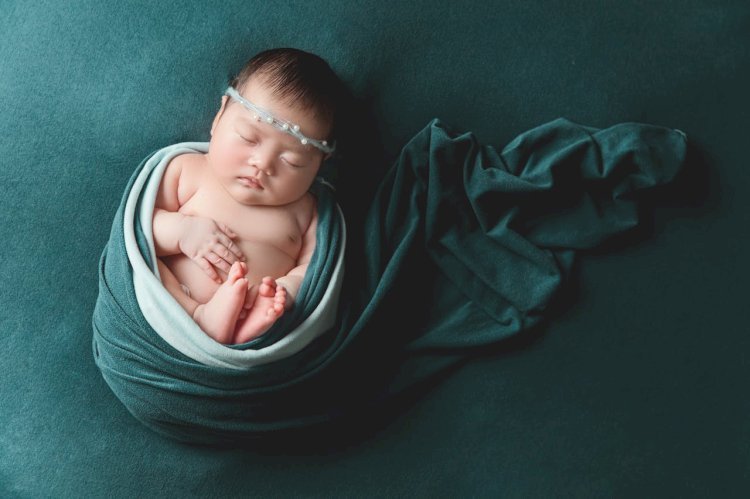
Newborns have the most delicate, sensitive skin, which makes choosing the right clothing essential for their comfort, safety, and health. As more parents shift toward sustainable and chemical-free products, organic newborn outfits have become a top choice. From reducing allergies to protecting the environment, organic fabrics offer benefits far beyond aesthetics.
This complete guide explains why organic outfits are better for newborns, the safety certifications to look for, top organic brands, and how to choose the right clothes for your baby.
What Are Organic Newborn Outfits?
Organic newborn outfits are clothing items made from natural, chemical-free fibers, primarily organic cotton, bamboo, or muslin. These fabrics are grown without synthetic pesticides, GMOs, harsh dyes, or toxic processing methods.
To be labeled “organic,” baby clothes must follow strict global standards, ensuring the fabric is safe for a newborn’s sensitive skin. Compared to conventional baby clothes, which often contain residues from chlorine bleach, flame retardants, or heavy dyes, organic outfits provide a much gentler and safer alternative.
Benefits of Organic Newborn Outfits
1. Safe for Sensitive & Delicate Skin
A newborn’s skin is five times thinner than an adult’s. This means it absorbs chemicals faster and is more prone to irritation.
Organic cotton is naturally hypoallergenic, breathable, and soft—perfect for babies who experience:
-
Rashes
-
Redness
-
Eczema
-
Dryness
-
Allergic reactions
Because no harsh chemicals are used in growing or processing the fabric, organic clothes significantly reduce the risk of skin problems.
2. Free from Harmful Chemicals
Conventional baby clothing may contain:
-
Formaldehyde
-
Phthalates
-
Chlorine bleach
-
Pesticide residues
-
Petroleum-based dyes
-
Synthetic fragrances
Organic newborn outfits eliminate these toxins completely. This makes them safer for newborns, especially during the first few months when the skin barrier is still developing.
3. Breathable & Temperature-Regulating
Organic fibers—especially organic cotton—allow excellent airflow. They help regulate a baby’s body temperature, preventing overheating during sleep or play.
This is essential since newborns cannot regulate body temperature as efficiently as adults. Breathability ensures they stay cool in summer and comfortably warm in winter.
4. Soft, Comfortable & Durable
Organic cotton fibers are longer, stronger, and free from chemical weakening. As a result:
-
The fabric feels softer
-
It becomes even smoother with every wash
-
It lasts longer without losing shape
Parents who choose organic outfits often find they can be passed down to siblings, making them a smart long-term investment.
5. Eco-Friendly & Sustainable Choice
Organic farming protects the planet by:
-
Avoiding harmful pesticides
-
Using less water
-
Preventing soil erosion
-
Supporting healthier farming communities
Choosing organic baby clothing supports ethical and eco-conscious manufacturing practices, making it a thoughtful choice for future generations.
6. Hypoallergenic & Dermatologist-Recommended
Because organic outfits contain zero toxic additives, many dermatologists recommend them for babies with extremely sensitive skin, eczema, or allergies. They reduce irritation, redness, and discomfort that synthetic fabrics often trigger.
Safety Standards to Look For in Organic Baby Clothing
To ensure a product is truly organic, parents should look for these globally recognized certifications:
GOTS (Global Organic Textile Standard)
The GOTS logo guarantees:
-
95–100% certified organic fibers
-
No harmful chemicals
-
Ethical and safe manufacturing practices
-
Fair labor conditions
-
Non-toxic dyes
GOTS is considered the gold standard for organic baby clothing.
OEKO-TEX Standard 100
This certification checks fabric for over 100+ harmful chemicals. Even if the fabric is not fully organic, OEKO-TEX ensures it is safe for baby skin.
USDA Organic Cotton Certification
This verifies that the cotton used was grown without pesticides or synthetic fertilizers.
Fair Trade Certification
Ensures ethical labor standards, safe working environments, and fair wages.
Types of Organic Newborn Outfits
Onesies & Bodysuits
These are the most essential newborn clothing items. Organic onesies provide a soft, breathable layer against the skin, making them ideal for everyday wear.
Sleepwear & Pajamas
Organic sleepwear helps regulate temperature and avoids synthetic flame-retardant chemicals commonly used in regular pajamas.
Rompers & Jumpsuits
Comfortable, stretchy, and perfect for daily activities.
Organic Hats, Socks & Mittens
These accessories help maintain warmth and protect delicate skin from scratches.
Swaddles & Blankets
Organic swaddles reduce overheating and are gentle for wrapping a newborn securely.
Top Organic Newborn Outfit Brands (2025)
1. Burt’s Bees Baby
-
100% GOTS-certified organic cotton
-
Affordable and widely available
-
Ultra-soft essentials like bodysuits, pajamas, and swaddle sets
2. Hanna Andersson
-
Premium organic fabrics
-
Vibrant colors and long-lasting quality
-
Known for unmatched softness
3. Monica + Andy
-
Hypoallergenic, hospital-approved fabrics
-
Stylish patterns and matching sets
-
Great for gifting
4. Pact Apparel
-
Fair Trade Certified
-
Affordable organic basics
-
Eco-friendly manufacturing practices
5. Kate Quinn Organics
-
Trendy prints
-
Eco-dyed bamboo and organic cotton
-
Soft, breathable fabrics loved by parents
6. L’ovedbaby
-
Minimalist colors
-
GOTS-certified clothing
-
Perfect for modern newborn layettes
7. Mini Rodini
-
Premium European brand
-
Bold, creative designs
-
Focus on sustainability and long-lasting materials
How to Choose the Best Organic Newborn Outfits
1. Consider Fabric Type
Choose based on season and purpose:
-
Organic cotton: Everyday wear
-
Bamboo: Breathable and hypoallergenic
-
Muslin: Lightweight for warm weather
-
Fleece (organic): Winter warmth
2. Check Certifications
Always look for the GOTS or OEKO-TEX labels to ensure authenticity.
3. Prioritise Comfort Over Style
Comfortable clothing should include:
-
Tagless labels
-
Soft seams
-
Stretchy fabrics
-
Gentle waistbands
4. Choose Easy-to-Wear Designs
Look for features like:
-
Two-way zippers for quick diaper changes
-
Snap closures
-
Expandable necklines
Busy parents appreciate outfits that save time.
5. Buy Only Essentials
Newborns grow fast. Focus on key items such as:
-
5–7 bodysuits
-
3–4 sleepwear sets
-
2 rompers
-
3–4 pairs of socks
-
1–2 hats
-
2–3 swaddles
Price Comparison: Organic vs Regular Baby Clothing
Organic newborn outfits can be slightly more expensive due to:
-
Certified organic farming
-
Ethical production processes
-
Higher-quality materials
However, they offer better value because they are:
-
More durable
-
Softer and safer
-
Less likely to cause irritation
-
Environment-friendly
Over the long term, parents often find organic clothing more cost-efficient.
Are Organic Baby Clothes Worth It?
Absolutely. While the upfront cost may be higher, the benefits outweigh the expense:
-
Healthier for newborn skin
-
Free from harmful chemicals
-
Better temperature control
-
Long-lasting quality
-
Sustainable for the planet
Most parents prefer organic outfits for the first 6–12 months, when skin sensitivity is at its peak.
FAQs About Organic Newborn Outfits
Are organic newborn outfits better for sensitive skin?
Yes, they are hypoallergenic and chemical-free, reducing the risk of rashes and irritation.
How many organic clothes does a newborn need?
Around 8–12 essential outfits are enough for the first two months.
Are organic cotton clothes worth the price?
Yes. They are softer, safer, and more durable than conventional fabrics.
Is organic cotton safe for eczema-prone babies?
Yes. Dermatologists often recommend organic clothing for eczema.
Do organic outfits shrink?
Minimal shrinkage may occur, but high-quality organic cotton holds its shape better.
Which certification is best?
GOTS (Global Organic Textile Standard) is the highest and most trusted certification.
Conclusion
Choosing organic newborn outfits is a meaningful investment in your baby’s health and comfort. With breathable fabrics, chemical-free production, and eco-friendly practices, organic clothing offers unmatched safety and quality for newborns. Whether you’re buying essentials or building a complete layette, organic outfits ensure your baby gets the softest, safest start in life.
Read More: Best Natural Sanitary Towels: Safe, Organic & Eco-Friendly Options Explained