Top Things to Do on Easter Island: Must-See Moai Statues, Tours & Hidden Gems
Discover the best Things to Do on Easter Island, including Moai statues, volcano hikes, hidden beaches, cultural shows, top tours, and must-see attractions.
 alissaperry
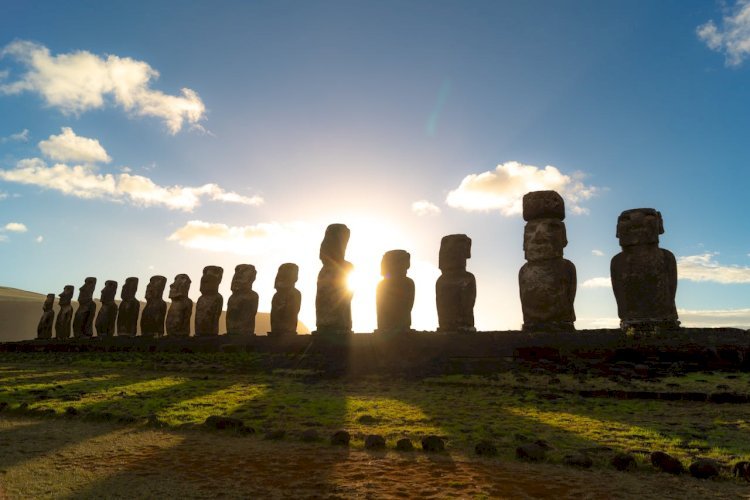
Easter Island—locally known as Rapa Nui—is one of the most remote and mysterious destinations on Earth. Located in the southeastern Pacific Ocean, this Chilean territory is world-famous for its towering Moai statues, dramatic volcanic landscapes, hidden caves, and incredibly rich Polynesian culture.
Despite its isolation, Easter Island attracts adventurers, historians, photographers, and culture seekers from around the world who come to uncover the secrets of the ancient Rapa Nui civilization.
If you're planning a trip, knowing what to see and how to explore the island efficiently is essential. This complete guide highlights the top things to do on Easter Island, including iconic Moai sites, nature hikes, cultural experiences, hidden gems, and the best tours to help you make the most of your visit.
Quick Facts About Easter Island (Rapa Nui)
| Category | Details |
|---|---|
| Location | Southeastern Pacific Ocean (Chilean territory) |
| Known For | Moai statues, volcanic craters, Polynesian culture |
| Best Time to Visit | April–June & October–December |
| Currency | Chilean Peso |
| Languages | Spanish & Rapa Nui |
| Ideal Trip Duration | 3–5 days |
These basics help you plan your adventure while understanding the island’s cultural and geographical significance.
Must-See Moai Statues & Archaeological Sites
The Moai statues are central to the island’s identity. With over 900 Moai scattered across various sites, each location offers a different perspective into the island’s ancient past.
1 Ahu Tongariki – The 15 Giant Moai
Ahu Tongariki is the largest ceremonial platform on Easter Island, featuring 15 majestic Moai facing inland toward the village they once protected.
Why visit:
-
Most impressive Moai lineup on the island
-
Incredible place for sunrise photography
-
Restored after the 1960 tsunami
The early morning light paints the statues gold, making this a must-see at dawn.
2 Rano Raraku – The Moai Quarry
If Ahu Tongariki showcases the final creation, Rano Raraku reveals the beginning. This volcanic quarry is where nearly all Moai were carved before being transported across the island.
Highlights:
-
Over 400 unfinished statues
-
Half-buried Moai sticking out of the ground
-
Iconic photo spots and archaeological insights
Walking through this landscape feels like stepping back in time.
3 Ahu Akivi – The Seven Moai Facing the Ocean
Ahu Akivi is unique because its seven Moai face the ocean, unlike most others that face inland.
According to legend, these statues represent the seven explorers sent by a Polynesian king to find Rapa Nui. This site combines myth, astronomy, and beauty.
Reason to visit:
-
Culturally significant
-
Perfectly aligned with the equinox sunset
-
Peaceful, less crowded
4 Anakena Beach & Ahu Nau Nau
Anakena is not only the island’s most beautiful beach but also home to Ahu Nau Nau, a set of Moai with remarkably preserved details due to centuries of burial under the sand.
Why it's special:
-
White coral sand
-
Turquoise water, great for swimming
-
Moai with intricate carvings
Anakena offers the perfect blend of history and relaxation.
Best Outdoor Activities & Nature Experiences
Beyond its Moai, Easter Island is rich in natural wonders—from volcanic craters to hiking trails and lava-tube caves.
1 Hike Up Terevaka Volcano
Terevaka is the highest point on the island at 507 meters above sea level. The hike is moderate and offers sweeping 360° views of the Pacific Ocean.
What to expect:
-
Remote, peaceful hike
-
Wild horses grazing along the route
-
Perfect spot to appreciate the island’s isolation
2 Explore Rano Kau Crater
One of Easter Island’s most spectacular natural landmarks, Rano Kau is a massive volcanic crater filled with vibrant vegetation and a freshwater lake.
Reasons to visit:
-
Stunning panoramic views
-
Unique micro-ecosystem
-
Excellent photography scenery
The crater walls drop abruptly to the ocean, creating dramatic cliffside scenery.
3 Visit Orongo Ceremonial Village
Located on the edge of Rano Kau, Orongo is home to 50+ stone houses used for ceremonies related to the Birdman Cult (Tangata Manu).
Highlights:
-
Well-preserved ceremonial structures
-
Petroglyphs depicting birdman and seabirds
-
Fascinating legends about ancient competitions
The village feels otherworldly and is one of the top cultural sites on the island.
4 Explore Lava Tube Caves (Ana Te Pahu, Ana Kakenga)
Easter Island’s caves were formed by ancient lava flows and were used for shelter, water collection, and storage.
Top cave sites to explore:
Ana Te Pahu (Banana Cave)
-
Largest cave
-
Lush vegetation at the entrance
-
Used by ancient Rapa Nui families for survival
Ana Kakenga (The Two Windows Cave)
-
Famous for its “windows to the sea”
-
Incredible viewpoint over the cliffs
-
Requires a short crawl, so bring a flashlight
These caves offer adventure and history in one experience.
Cultural Experiences You Shouldn’t Miss
Rapa Nui culture is vibrant, spiritual, and deeply connected to traditions. Experiencing local life adds depth to your trip.
1 Traditional Rapa Nui Dance Shows
Local dance shows feature traditional music, costumes, and the famous Hoko dance, similar to the Māori haka.
Where to see:
-
Kari Kari Cultural Show
-
Te Ra’ai Dinner Experience
You’ll witness storytelling through movement, chants, and drums.
2 Visit the Museum of Rapa Nui
Located in Hanga Roa, the museum offers valuable insights into the island’s origin, carving techniques, and cultural evolution.
What you’ll learn:
-
Purpose and meaning behind the Moai
-
Settlement history
-
Artefacts, tools & replicas
This is a great first stop for historical context.
3 Taste Local Rapa Nui Cuisine
The island’s cuisine blends Chilean, Polynesian, and seafood influences.
Must-try dishes:
-
Tuna empanadas
-
Rapa Nui ceviche
-
Po’e (banana and pumpkin pudding)
-
Grilled swordfish
Enjoy meals at family-run restaurants or beachside shacks at Anakena.
4 Support Local Artisans
Traditional crafts include:
-
Wood carvings
-
Stone sculptures
-
Shell jewelry
-
Polynesian tattoos
Buying from artisans helps preserve local culture and traditions.
Hidden Gems of Easter Island (Off-the-Beaten-Path)
For travellers seeking quieter, less-visited spots, Easter Island offers many hidden gems worth exploring.
1 Papa Vaka Petroglyphs
This large stone slab features detailed carvings of:
-
Fish
-
Turtles
-
Canoes
-
Navigation symbols
It's an open-air archaeological treasure with minimal crowds.
2 Ovahe Beach
A small, secluded beach with pinkish sand and rugged cliffs.
Why visit:
-
Calmer alternative to Anakena
-
Ideal for photography
-
Snorkelling in good conditions
Certain areas may be restricted due to preservation, so follow local guidelines.
3 Ana Avanga (The Cave of the Cannibals)
Filled with legends, this cave supposedly relates to ritualistic practices from the island’s turbulent past.
Although the name sounds frightening, it’s a fascinating site representing the island’s complex history.
4 Puna Pao – Red Scoria Quarry
This is where the Moai pukao (red topknots) were carved.
Why visit:
-
Peaceful and less crowded
-
Red volcanic rock is visually striking
-
Scenic pathway through rolling hills
A great place for quiet exploration.
Best Tours on Easter Island
Tours help maximize your time and provide deeper historical context.
1 Full-Day Archaeological Moai Tour
Covers:
-
Ahu Tongariki
-
Rano Raraku
-
Ahu Akivi
Guides explain carving techniques, transportation theories, and the island’s social structure.
2 Sunrise or Sunset Photo Tour
Best spots for perfect lighting:
-
Ahu Tongariki at sunrise
-
Tahai at sunset
Ideal for photographers and travel influencers.
3 Cultural Experience Tour
Includes:
-
Home-cooked meals
-
Visits to local families
-
Storytelling sessions
-
Traditional craft workshops
A great way to understand modern Rapa Nui life.
4 Horseback Riding Adventure
Explore:
-
Terevaka volcano
-
Northern coastline
-
Archaeological ruins
Horses have been part of Rapa Nui life for decades, making this a fitting cultural experience.
Beach & Relaxation Activities
Even though Easter Island is known for history, it also offers plenty of opportunities to unwind.
1 Anakena Beach
Soft white sand, calm water, and palm trees make it the perfect swim spot.
Facilities:
-
Picnic areas
-
Food stalls
-
Changing rooms
2 POKO-Poko Natural Pools
These volcanic rock pools create a natural seawater “swimming hole.”
Why visit:
-
Safe for families
-
Relaxing atmosphere
-
Close to Hanga Roa
3 Snorkelling & Diving at Hanga Roa
The waters around Easter Island are incredibly clear, allowing visibility up to 60 meters.
What you’ll see:
-
Coral reefs
-
Colorful fish
-
Underwater Moai replica (for divers)
Great for both beginners and experts.
7. Suggested 3–5 Day Itineraries
3-Day Itinerary
Day 1: Ahu Tongariki, Rano Raraku, Ovahe Beach
Day 2: Orongo, Rano Kau, Tahai sunset
Day 3: Anakena Beach, Ahu Nau Nau, caves
4-Day Itinerary
Add:
-
Ahu Akivi
-
Horseback or ATV tour
-
Artisan workshops
5-Day Itinerary
Add:
-
Puna Pao
-
Papa Vaka
-
Full cultural night show
-
Additional hikes
Ideal for deep explorers.
Travel Tips for Easter Island
1 Best Time to Visit
-
April–June: Mild weather, fewer crowds
-
October–December: Warm temperatures, great for outdoor activities
-
February: Tapati Festival (peak season)
2 Transportation
-
Renting a car or ATV gives you freedom
-
Biking is possible for shorter routes
-
Guided tours are recommended for archaeology sites
3 National Park Entry Fees
You must purchase a Rapa Nui National Park ticket.
It is valid for multiple days but only allows one entry to Rano Raraku and Orongo.
4 Where to Stay
Budget: Hostels in Hanga Roa
Mid-range: Boutique hotels
Luxury: Seaside resorts with spa facilities
5 Safety & Respect
-
Do not touch or climb on Moai
-
Stay on marked paths
-
Respect local culture and customs
-
Avoid removing stones or natural materials
FAQs
1. How many days do you need on Easter Island?
3–5 days is ideal to see major sites without rushing.
2. Is Easter Island expensive?
Yes, due to its remote location, but budget-friendly options exist.
3. Can you touch the Moai statues?
No. Touching or climbing on Moai is strictly prohibited.
4. Do people still live on Easter Island?
Yes—Hanga Roa is home to nearly all residents.
5. Is Easter Island safe?
The island is very safe for solo, female, and family travelers.
Conclusion
Easter Island is a place where ancient history, natural beauty, and Polynesian culture come together in unforgettable harmony. Whether you're standing before the towering Moai, hiking volcanic craters, swimming at Anakena Beach, or learning from local artisans, every moment on Rapa Nui feels meaningful and magical.
This bucket-list destination rewards curiosity, respect, and exploration—making it one of the most remarkable places you will ever visit.
Read More: Top Things to Do in Lindos: Must-See Attractions, Beaches & Local Experiences