Cricket Ball Weight Chart: Men’s, Women’s & Junior Formats
Learn the official cricket ball weight chart for men’s, women’s, and junior formats. Explore ICC standards, sizes, types, and how ball weight affects performance.
 alissaperry
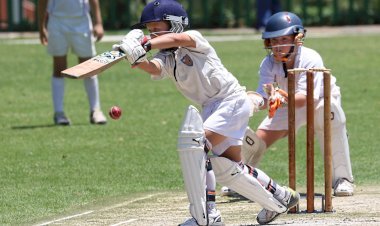
Cricket may look simple from the outside, but every element of the game — from the pitch length to the ball weight — follows strict regulations that shape how the sport is played. Among these, cricket ball weight is one of the most important factors affecting swing, bounce, speed, and even player safety.
The weight of the cricket ball is not the same for every category. The International Cricket Council (ICC) sets different weight standards for men’s, women’s, and junior formats to ensure fair play and balanced performance.
This guide breaks down the complete cricket ball weight chart, explains why these differences exist, and helps you understand how weight impacts gameplay across all levels.
What Is the Official Weight of a Cricket Ball?
The official cricket ball weight varies by format. According to the International Cricket Council (ICC), a men’s cricket ball must weigh between 155.9 and 163 grams (5.5–5.75 oz). Women’s cricket balls weigh 140 to 151 grams, while junior cricket balls typically range from 133 to 144 grams. These standards ensure fair competition, safety, and consistent performance across international and domestic cricket.
Official ICC Cricket Ball Weight Standards (Quick Overview)
The ICC defines precise rules for the cricket ball’s weight and circumference. These regulations ensure uniformity in international cricket and serve as the global benchmark for domestic competitions.
Here’s a quick glance:
-
Men’s cricket ball: Heaviest and largest
-
Women’s cricket ball: Slightly lighter and smaller
-
Junior/youth cricket ball: Lightest for safe handling and learning
Different balls — red, white, and pink — may look identical but can also have slight variations in weight due to coatings and materials.
Cricket Ball Weight Chart: Men’s, Women’s & Junior Formats
1. Men’s Cricket Ball Weight
-
Weight: 155.9 to 163 grams
-
Ounces: 5.5 to 5.75 oz
-
Circumference: 22.4 to 22.9 cm
-
Formats Used: Test cricket (red/pink), ODI & T20 (white)
This is the official ball used in global professional cricket. It is designed for higher speed, longer durability, and enhanced seam movement.
2. Women’s Cricket Ball Weight
-
Weight: 140 to 151 grams
-
Ounces: 4.9 to 5.3 oz
-
Circumference: 21 to 22.5 cm
Women’s cricket balls are slightly lighter, making them easy to grip, bowl, and hit at the highest levels of the women’s game. The reduced weight also lowers injury risk.
3. Junior / Youth Cricket Ball Weight
-
Weight: 133 to 144 grams
-
Ounces: 4.7 to 5.1 oz
-
Circumference: 20.5 to 22 cm
Junior balls are designed to help young players learn the basics safely. The lighter weight allows kids to control their bowling and batting techniques without strain.
Under-19 & Domestic Cricket Ball Weight
Under-19 international cricket generally follows the same weight category as senior formats depending on gender classification. For example:
-
Under-19 Men’s tournaments such as the ICC Under-19 Cricket World Cup use standard men’s ball specifications.
-
Under-19 Women’s events follow official women’s ball weight ranges.
Domestic leagues may slightly vary in brand selection, but they must remain within ICC-approved weight limits.
Complete Cricket Ball Weight Chart (Table)
| Category | Weight (Grams) | Weight (Ounces) | Circumference (cm) |
|---|---|---|---|
| Men’s Ball | 155.9–163 g | 5.5–5.75 oz | 22.4–22.9 cm |
| Women’s Ball | 140–151 g | 4.9–5.3 oz | 21–22.5 cm |
| Junior Ball | 133–144 g | 4.7–5.1 oz | 20.5–22 cm |
Cricket Ball Weight in Kilograms (kg)
For international readers and scientific reference, here are the official cricket ball weights converted into kilograms:
-
Men’s ball: 0.156 to 0.163 kg
-
Women’s ball: 0.140 to 0.151 kg
-
Junior ball: 0.133 to 0.144 kg
Although grams are standard in cricket regulations, kilograms are often searched in educational and equipment comparison queries.
Why Cricket Ball Weight Differs Across Formats
Cricket ball weights are not random. Here’s why the ICC sets different standards:
1. Physical Strength Variations
Men typically generate more bowling speed and batting power, so heavier balls suit their gameplay. Women and juniors need slightly lighter balls to play safely and effectively.
2. Safety Regulations
Using heavy balls for junior players increases injury risks. Lighter balls protect young cricketers while they develop skills.
3. Match Format Requirements
A heavier ball maintains its shine, seam, and hardness longer — essential for international men’s formats where bowlers expect movement over long spells.
4. Performance Behavior
Ball weight affects:
-
Swing
-
Bounce
-
Carry to the wicketkeeper
-
Batting timing
Different formats demand different performance characteristics.
Types of Cricket Balls & Their Weight Differences
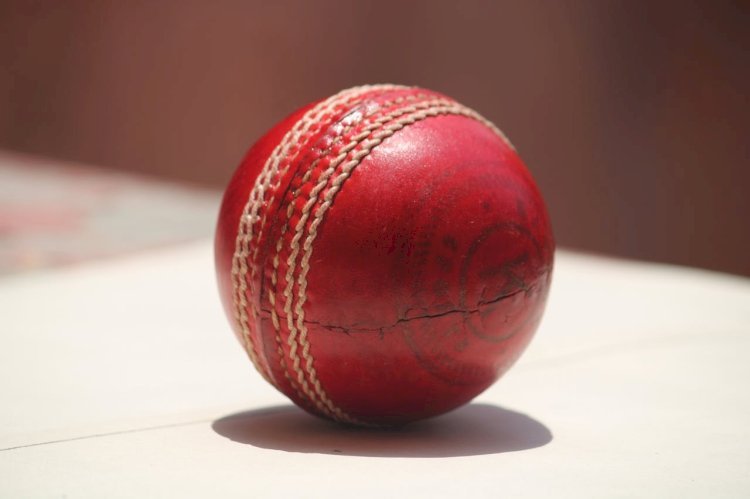
Although the ICC regulates weight ranges, red, white, and pink balls behave differently due to materials and coatings.
1. Red Cricket Ball
-
Used in Test matches
-
Traditionally hand-stitched
-
Natural leather with dark red dye
-
Slight coating differences may cause minor weight variations
Red balls tend to swing more conventionally, especially early in the innings.
2. White Cricket Ball
-
Used in ODIs and T20s
-
Extra lacquer to maintain shine under floodlights
-
Slightly different feel due to heavier coating
The lacquer may add a marginal increase in weight, though still within ICC limits.
3. Pink Cricket Ball
-
Used in Day-Night Test matches
-
Extra layers of lacquer for visibility
-
Slightly harder and can feel heavier during play
The added coating helps the ball stay bright under lights.
Factors That Affect a Ball’s Weight Over Time
Even though balls start within ICC-approved ranges, several factors can alter weight during a match:
1. Wear & Tear
Repeated impact with the pitch, bat, and outfield gradually softens and lightens the ball.
2. Moisture Absorption
Damp outfields cause the ball to absorb water, making it heavier and reducing swing.
3. Polishing/Shining
Players shine one side to enhance swing. Sweat and moisture may add minimal weight.
4. Temperature & Humidity
Leather reacts to climate. Dry heat makes it lighter; humidity adds marginal weight.
How Ball Weight Impacts Performance on the Field
1. Impact on Bowlers
-
Pace bowlers: Heavier balls generate more bounce and seam movement.
-
Swing bowlers: The polish and weight influence conventional and reverse swing.
-
Spinners: Lighter balls can offer more grip and flight.
2. Impact on Batters
-
Heavier balls come quicker off the pitch.
-
Timing becomes crucial with high-speed deliveries.
-
Lighter balls offer easier stroke play and reduce injury risk.
3. Impact on Fielders
-
Catching a heavier ball requires strong hands.
-
Throwing distance and power depend on weight.
-
Junior cricketers benefit from lighter balls for safe learning.
Training Balls vs Official Match Balls
Not all cricket balls used in training match the official ICC weight. Here’s the breakdown:
1. Soft Training Balls
-
Rubber, plastic, or foam
-
Lightweight and safe
-
Used for kids and beginners
2. Tennis Balls
-
Often used in street cricket
-
Much lighter
-
Great for practicing timing
3. Heavier or Lighter Practice Balls
-
Used for advanced training
-
Some balls are intentionally heavier to build strength
-
Others are lighter to improve wrist work
4. Leather Training Balls
-
Slightly cheaper variants
-
May not strictly follow ICC weight standards
Choosing the Right Ball for Age & Skill Level
Beginners (Under 10 Years)
-
Soft or lightweight rubber balls
-
Focus on grip, technique, and safe play
Junior Cricketers (Under 13/15)
-
Junior leather balls (133–144 g)
-
Balanced for learning seam, swing, and spin
Women’s Cricket
-
ICC-approved women’s ball
-
Perfect size for control and power
Men’s Cricket
-
Standard men’s ball
-
Suitable for competitive matches and advanced training
Coaches & Parents Tip
Always match the ball weight with the player's age, strength, and skill to prevent injuries and encourage proper development.
Popular Cricket Ball Brands & Weight Accuracy
Different manufacturers produce balls under ICC standards, but brand construction can create slight differences in feel.
1. Kookaburra
-
Used in Australia, New Zealand, South Africa, Sri Lanka
-
Machine-stitched
-
Consistent weight distribution
2. Dukes
-
Used in England and West Indies
-
Hand-stitched
-
Known for durability and more pronounced seam
3. SG (Sanspareils Greenlands)
-
Used in India
-
Hand-stitched
-
Slightly harder feel and excellent seam maintenance
4. Gray-Nicolls
-
Popular for domestic cricket and training
-
Good weight precision
Care & Maintenance Tips to Preserve Ball Weight
Proper maintenance keeps the ball within acceptable weight range and prolongs lifespan.
1. Store in a cool, dry place
Leather absorbs moisture quickly.
2. Avoid exposing to rain or dew
Wet surfaces add weight and damage the leather.
3. Shine the ball properly
Use sweat carefully; avoid excessive moisture.
4. Clean gently after matches
Wipe the ball with a dry cloth to remove dirt buildup.
Cricket Ball Weight vs Baseball Weight
Many sports fans compare cricket balls to baseballs. A standard Major League Baseball baseball weighs between 142 and 149 grams, which is slightly lighter than a men’s cricket ball.
Key difference:
-
Cricket ball: Harder seam, heavier core
-
Baseball: Softer leather surface, slightly lighter overall
This added weight in cricket contributes to higher bounce and seam movement.
FAQs
1. What is the official weight of a men’s cricket ball?
The official ICC weight for a men’s ball is 155.9 to 163 grams.
2. Why does a women’s cricket ball weigh less?
To match physical strength and ensure better control and safety.
3. What is the best ball weight for junior cricket?
The ideal weight is 133 to 144 grams, depending on age and skill.
4. Do pink cricket balls weigh more?
Not officially, but extra lacquer can make them feel slightly heavier.
5. Does ball weight affect swing?
Yes. Weight, polish, seam, and surface all influence how the ball swings.
6. How much does a cricket ball weigh in grams exactly?
A men’s international cricket ball must weigh between 155.9g and 163g, according to ICC laws.
7. Is a cricket ball heavier than a tennis ball?
Yes. A tennis ball weighs around 56–59 grams, making it significantly lighter than any official cricket ball.
8. Does cricket ball weight change during a match?
Slightly. Moisture absorption and surface wear can cause minor weight variation, but it must remain within regulation standards.
Conclusion
Cricket ball weight plays a crucial role in the dynamics of the game. Whether you're watching international Test cricket or training young players at a local academy, using the right ball weight ensures performance, consistency, and safety.
By understanding the differences between men’s, women’s, and junior cricket ball weights, players and coaches can choose the correct ball for their specific needs. The ICC’s weight standards maintain fairness across all formats, making cricket a balanced game for everyone.
Read More: Understanding Cricket Pitch Length: From Stumps to Crease