Table Tennis Bat Size Chart: Dimensions for Kids, Beginners & Pros
Table tennis bat size chart for kids, beginners & pros. Learn official dimensions, weight, ITTF rules, and how bat size affects control & spin.
 alissaperry
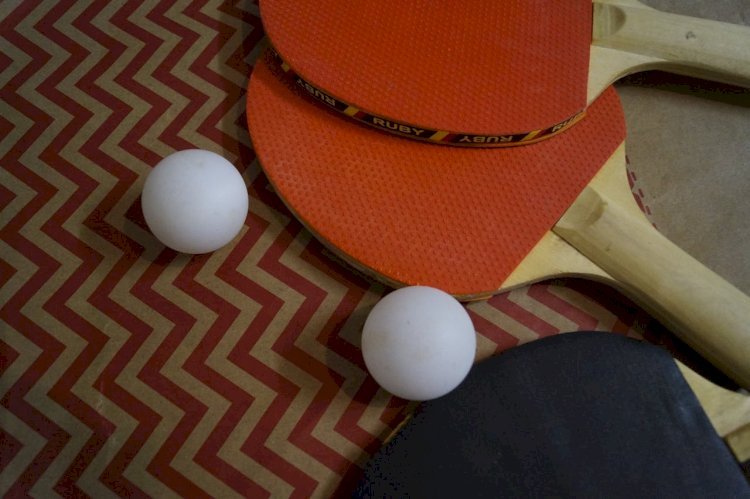
Choosing the right table tennis bat size is one of the most overlooked factors in improving performance. Many players focus only on brand names or speed ratings, but bat dimensions, weight, and thickness play a crucial role in control, spin, comfort, and long-term skill development.
Whether you’re buying a bat for a child, a beginner just starting, or an advanced player looking to optimise performance, this guide explains everything you need to know. Below, you’ll find a clear table tennis bat size chart, ITTF rules, and expert tips to help you choose the perfect bat for your level.
What Is a Table Tennis Bat?
A table tennis bat (also known as a paddle or ping pong bat) is the primary equipment used to strike the ball in table tennis. It consists of three main components:
-
Blade – The wooden core of the bat
-
Rubber sheets – Attached on both sides of the blade
-
Handle – The grip used to hold the bat
Unlike sports such as tennis or cricket, table tennis bats are not standardised to one fixed size, making correct selection even more important.
Is There a Standard Table Tennis Bat Size?
ITTF (International Table Tennis Federation) Rules
The ITTF does not impose a maximum bat size, but it regulates materials and rubber thickness to ensure fair play.
Key ITTF Bat Rules:
-
The blade must be:
-
Flat and rigid
-
At least 85% natural wood
-
-
Rubber thickness limits:
-
Pimpled rubber: Max 2.0 mm (including glue)
-
Sandwich rubber: Max 4.0 mm (including glue)
-
-
One side must be red, the other black
Because there’s no strict size limit, manufacturers design bats differently for kids, beginners, and professional players.
Table Tennis Bat Size Chart (Kids, Beginners & Professionals)
Below is a general size chart used across most global brands. Measurements may vary slightly depending on the manufacturer and playing style.
Table Tennis Bat Size Chart
| Player Type | Blade Length | Blade Width | Blade Thickness | Weight Range |
|---|---|---|---|---|
| Kids (Under 10) | 14–15 cm | 13–14 cm | 5–6 mm | 150–165 g |
| Beginners | 15–16 cm | 14–15 cm | 6–7 mm | 165–175 g |
| Intermediate Players | 16–16.5 cm | 15–15.5 cm | 6.5–7.5 mm | 175–185 g |
| Professional Players | 16.5–17 cm | 15.5–16 cm | 7–8 mm | 185–200 g |
These dimensions are guidelines, not strict rules.
Table Tennis Bat Size for Kids
For children, lighter and smaller bats are essential for comfort and skill development.
Why Bat Size Matters for Kids:
-
Smaller hands need shorter handles and lighter weight
-
Reduces wrist and arm strain
-
Improves control and confidence
-
Helps develop correct technique early
Recommended Features for Kids:
-
Weight: 150–165 grams
-
Thin rubber (1.5–1.8 mm)
-
Flared or short handle
-
High control rating
Avoid professional bats for children, as they can slow learning and cause fatigue.
Table Tennis Bat Size for Beginners
Beginners need a balanced bat that prioritises control over speed.
Ideal Beginner Bat Characteristics:
-
Medium blade size for forgiveness
-
Rubber thickness around 1.8–2.0 mm
-
Weight between 165–175 grams
-
Emphasis on consistency rather than power
Oversized or overly fast bats often lead to poor technique and inconsistent shots.
Table Tennis Bat Size for Professional Players
Professional players typically use customised bats designed for speed, spin, and precision.
Why Pros Use Larger & Heavier Bats:
-
Larger blade surface increases power
-
Thicker rubber generates more spin
-
Heavier weight improves shot stability
-
Custom handle shapes for grip preference
Professional bats usually weigh 185–200 grams, depending on playing style.
Table Tennis Bat Handle Size & Types
While blade size matters, handle shape and size affect comfort and control.
Common Handle Types:
-
Flared (FL): Widens at the end; most popular globally
-
Straight (ST): Same width throughout; easy grip adjustment
-
Anatomic (AN): Ergonomic shape; fits palm naturally
-
Penhold (JP/CP): Common in Asian playing styles
Choosing the correct handle helps prevent slipping and wrist strain.
How Table Tennis Bat Size Affects Performance
Control
-
Smaller blades and lighter weight improve shot placement
-
Ideal for beginners and defensive players
Speed
-
Larger blades and thicker rubber increase ball speed
-
Preferred by attacking players
Spin
-
Thicker rubber and flexible blades enhance spin generation
-
Requires good technique to control
Does Table Tennis Bat Size Affect Spin & Power?
Yes—but size alone is not everything.
-
Blade size affects sweet spot area
-
Rubber thickness impacts spin and speed
-
Weight distribution influences control
However, technique, footwork, and timing matter more than bat size alone.
How to Choose the Right Table Tennis Bat Size (Quick Guide)
-
Kids: Lightweight bat, thin rubber, smaller handle
-
Beginners: Balanced bat with high control
-
Intermediate: Medium-heavy bat with spin potential
-
Professionals: Custom blade and rubber setup
Always prioritise comfort and consistency over copying professional gear.
Common Mistakes When Choosing a Table Tennis Bat Size
-
Buying a pro bat too early
-
Ignoring handle size
-
Choosing speed over control
-
Overlooking ITTF compliance
-
Not testing grip comfort
These mistakes can slow improvement and cause frustration.
ITTF Rules Summary (Quick Reference)
-
Blade must be mostly natural wood
-
Max rubber thickness: 4.0 mm
-
One red side, one black side
-
No size limit, but competition approval required
FAQs
What is the standard table tennis bat size?
There is no fixed standard size, but most adult bats fall between 16–17 cm in length.
Is a bigger table tennis bat better?
Not always. Bigger bats increase power but reduce control.
What bat size is best for kids?
Lightweight bats between 150–165 g with smaller blade dimensions.
Do professionals use heavier bats?
Yes, most professional bats weigh 185–200 g.
Does bat size affect spin?
Yes, larger blades and thicker rubber increase spin potential.
Conclusion
Choosing the right table tennis bat size is essential for performance, comfort, and long-term improvement. Kids benefit from lighter bats, beginners need control-focused designs, and professionals rely on customised setups.
Rather than copying elite players, select a bat that matches your age, skill level, and playing style. The right bat won’t just improve your shots—it will make the game more enjoyable.
Read More: Soccer Goal Size Guide: Official Dimensions for Every Age & Level