Influencers Gone Wild (2026): 15 Shocking Scandals, Crimes & Viral Disasters Explained
nfluencers Gone Wild in 2026 explained with real scandals, viral disasters, dangerous challenges, and shocking influencer controversies you need to know.
 alissaperry
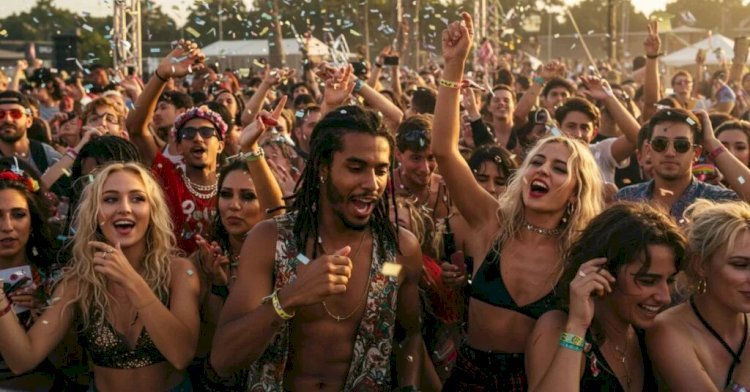
What happens when internet fame goes too far? From fake luxury festivals to dangerous viral challenges and real-life crimes, the world of influencers has seen some shocking moments. This guide explores the most extreme cases of influencers gone wild, why they happen, and how they impact audiences worldwide.
What Does “Influencers Gone Wild” Mean?
Influencers gone wild refers to situations where social media creators cross ethical, legal, or moral boundaries in pursuit of fame, views, and engagement. These incidents often include scandals, dangerous stunts, misleading promotions, or criminal behavior that go viral online.
The Rise of Shock Culture: Why Outrage Drives Influencer Fame
In recent years, shock value has become one of the strongest currencies in digital entertainment. Influencers know that the more outrageous their behavior, the more likely they are to go viral—and this creates a loop where controversy becomes a marketing strategy. Algorithms reward high engagement, and nothing generates engagement faster than chaos or drama. This shift has fueled a growing wave of Influencers Gone Wild moments, where creators intentionally push limits to stay relevant. The downside is clear: audiences become desensitized, and creators feel pressured to escalate their behavior, often crossing ethical or legal boundaries in the process.
Fyre Festival Fiasco: A Luxury Lie
In 2017, the Fyre Festival was marketed as an ultra-luxury event in the Bahamas, promoted by top influencers like Kendall Jenner and Bella Hadid. Social media was flooded with picturesque promos featuring beach parties, private jets, and gourmet food. Attendees paid thousands, expecting a lavish experience, but reality painted a different picture. They were greeted by disaster tents, soggy mattresses, and cold sandwiches served in Styrofoam boxes.
This disaster wasn’t just a failed event—it was a full-blown fraud. Influencers who had promoted the event faced legal backlash, as many had not disclosed their posts as sponsored. The Fyre Festival scandal showcased how easily followers can be misled by digital stars chasing quick paychecks. It’s one of the earliest signs of influencers gone wild, with real-life consequences for blind promotion.
The Psychology Behind Influencers Gone Wild
Many experts say that the desire for online validation plays a major role in influencer misconduct. Studies show that constant exposure to likes, comments, and attention can lead to addictive behavior similar to gambling. When the spotlight fades, some influencers resort to extreme stunts to bring it back.
Others develop “main character syndrome,” where they believe they are untouchable or above consequences. This psychological pressure cooker has produced some of the most viral Influencers Gone Wild incidents—turning personal insecurities into public spectacles. Understanding this mindset helps explain why even established creators sometimes behave erratically online.
If you're thinking of trying it, explore whether Xovfullmins is dangerous and understand its health risks, hidden ingredients, and expert warnings
Logan Paul's Japan Forest Controversy
YouTuber Logan Paul sparked global outrage after posting a video from Japan's Aokigahara Forest, a site known for suicides. In the video, he filmed a deceased individual and reacted insensitively, laughing and making inappropriate comments. The video was watched by millions before being taken down, but the damage had already been done.
The backlash was immediate. Logan lost sponsorships, YouTube removed him from its premium ad program, and he issued multiple public apologies. This incident raised serious questions about content boundaries and the extreme lengths influencers will go to for clicks. It was a defining moment in showing how influencers gone wild can turn a platform built on entertainment into a source of trauma for viewers and victims alike.
OnlyFans Shockers: Lily Phillips and Bonnie Blue
Some influencers have pushed the limits of public attention through adult content. British OnlyFans creator Lily Phillips shocked many by claiming to have had sex with 101 men in one day for content. Another case involved Bonnie Blue, who made headlines with the claim of engaging with 1,057 men in a single day during a controversial adult event.
While these acts were promoted as record-setting or empowering, critics argued they glorified dangerous behavior and contributed to harmful content trends. These stunts sparked intense debates online, with many accusing them of disrespecting personal boundaries and societal values. It’s another example of influencers gone wild, where shock value overtakes responsibility.
Dangerous Challenges: Tide Pods and Beyond
Many influencers have promoted or participated in reckless internet challenges that risk public health and safety. The “Tide Pod Challenge,” where individuals were seen eating laundry detergent pods, became an alarming trend. Although it started as a meme, it quickly turned real—with several teens hospitalized and some even suffering serious long-term effects.
Social media platforms tried to contain the trend, but videos kept resurfacing. This wasn’t an isolated incident—similar trends like the “Benadryl Challenge” and “Skull Breaker Challenge” have also resulted in injuries. These cases show how influencers gone wild can lead their followers into life-threatening behavior, all for the sake of views.
The Impact on Younger Audiences and Internet Culture
Younger fans often idolize influencers and copy their behavior, which makes reckless or harmful stunts even more dangerous. When an influencer promotes a toxic trend, millions may see it within hours. This amplifies the consequences far beyond the creator’s intentions. From dangerous challenges to unhealthy beauty standards, Influencers Gone Wild moments have a real-world impact on impressionable audiences.
As digital influence grows stronger than traditional media, the responsibility placed on online creators is greater than ever. This is why modern parents, educators, and policymakers are increasingly concerned about unregulated influencer culture.
Turning Private Lives into Public Drama
Some influencers have made their personal lives their brand. While transparency can be authentic, others exploit their relationships, breakups, and even mental breakdowns for engagement. Emotional outbursts, fake pregnancy announcements, and staged pranks have all been used to gain traction online.
This type of behavior blurs the line between content and manipulation. Fans often feel confused, wondering whether they’re being entertained or emotionally played. The hunger for attention sometimes leads influencers to lose sight of their real lives, proving again how influencers gone wild isn’t just about public stunts—it can happen in private too.
Selling Snake Oil: The Health Advice Scandals
Influencers in the wellness space often promote health products that lack scientific backing. From detox teas to slimming lollipops, many of these items offer false hope and dangerous results. For example, reality star Lauren Goodger faced criticism for endorsing a weight loss drink later found to contain traces of hydrogen cyanide.
Such endorsements may seem harmless, but they can encourage eating disorders or other health problems, especially among young followers. When influencers gone wild, reach into the health sector, it’s not just misleading—it’s potentially deadly. It shows the urgent need for regulating health claims on social platforms.
When Brands Get Burned: The Business Side of Influencers Gone Wild
Brands invest millions into influencer marketing, but one scandal can destroy a partnership overnight. A single controversial video can lead to dropped sponsorships, public apologies, and long-term damage to both sides. Examples like Logan Paul, James Charles, and Fyre Festival promotions highlight the business risks of associating with unstable creators.
As a result, companies now conduct deeper background checks and use moral-clause contracts to protect themselves. The economic fallout from these Influencers Gone Wild episodes shows that viral fame is powerful—but it also comes with significant financial consequences when misused.
How Social Media Algorithms Encourage Wild Behavior
Platforms like TikTok, Instagram, and YouTube are built to reward content that sparks strong emotional reactions—whether positive or negative. This often pushes creators toward more extreme content because controversy drives comments, shares, and watch time. In many ways, the system unintentionally encourages Influencers Gone Wild behavior by prioritizing viral potential over ethical responsibility. Until algorithms evolve to consider user safety and long-term well-being, scandals and misconduct are likely to keep rising.
Illegal Pranks and Public Outrage
Some influencers take their stunts too far, breaking the law for content. Jake Paul is known for many controversial actions, but one of the most extreme was pretending to rob a bank for a prank video. The video led to police involvement and major public backlash.
Similarly, other creators have trespassed into government buildings, faked emergencies, or disrupted public events. These actions often lead to arrests or fines, but not before the videos rack up millions of views. In these cases, the concept of influencers gone wild becomes a real threat to public safety.
Climbing Skyscrapers for Likes
Urban explorers, also known as rooftoppers, have become popular on platforms like Instagram and TikTok. They climb high-rise buildings without safety equipment to take selfies or film daring videos. Unfortunately, several influencers have died during these stunts, falling from towers or cranes.
While these videos may seem thrilling, they encourage copycat behavior that can end in tragedy. In 2023, a Chinese influencer known as “Wu Yongning” died during a stunt. His fall was live-streamed, and the footage horrified fans. This shows how far influencers gone wild will go—sometimes to their death.
Vandalizing Cultural Heritage
In another shocking incident, a travel influencer carved their initials into the Colosseum in Rome, one of the world’s most historic landmarks. They then proudly posted it online, believing it would boost engagement. Instead, it led to global outrage and heavy fines.
Preserving history matters, and damaging priceless artifacts for likes is inexcusable. These incidents show how the influencer trend can turn ugly when personal fame becomes more important than shared culture. This form of influencers gone wild not only breaks the law, it also disrespects history.
The Case of Surender Patil
Surender Patil, a viral influencer from India known for short-form content, came under fire in 2024 after serious allegations, including rape and blackmail, surfaced. Despite this, he remained active online, posting videos and engaging fans as if nothing had happened.
The case raised concerns about accountability in the influencer world. Fans questioned how someone accused of crimes could continue gaining followers. The platform’s lack of action led to outrage. This is one of the darker sides of influencers gone wild, where fame shields individuals from consequences, at least temporarily.
If you're looking to earn online without any experience, check out how to make money online with no skills in 2026 and start your journey as a beginner today
Calls for Regulation: Should Influencers Be Legally Accountable?
As influencer scandals grow more severe, many countries are now debating whether stricter laws are needed. Some regions require influencers to disclose ads, while others are considering penalties for promoting unsafe challenges or fake health products.
Critics argue that influencers should be held to the same standards as traditional media figures, especially when their reach surpasses television networks. These discussions highlight a growing global push to address the darker side of influencer culture and prevent future Influencers Gone Wild incidents from causing public harm.
Data Sources & Accuracy Note
This article is based on publicly available reports, media coverage, and case studies from global news sources. Some details are subject to updates as new information becomes available.
Conclusion
Influencers have the power to inspire and inform, but some abuse that power. From fake festivals and dangerous stunts to criminal behavior and public disrespect, these cases of influencers gone wild show the risks of fame without responsibility. While the internet has created new opportunities, it also demands a new kind of accountability.
As viewers, we must think critically, question what we see, and avoid blindly following trends. For platforms, the solution lies in stronger guidelines and faster responses to harmful content. If left unchecked, these wild moments will keep growing—and so will the damage they cause.
FAQs
Q: What does "Influencers Gone Wild" mean?
A: It refers to situations where influencers act in extreme or inappropriate ways, often for attention or content.
Q: Why do influencers take such risks?
A: To gain views, likes, and followers. More engagement often means more money and fame.
Q: Are there any legal actions taken against them?
A: Yes. Some face fines, arrests, or even jail time for breaking laws or harming others.
Q: Can social media platforms stop this behavior?
A: Platforms can suspend accounts or remove harmful content, but it often depends on how quickly they act.
Q: What can viewers do?
A: Avoid sharing dangerous content, report harmful behavior, and support creators who act responsibly.
Q: Are influencers regulated by law?
A: In many countries, influencers must follow advertising laws and disclosure rules, but regulations are still evolving.
If you're unsure whether it's safe or legal, check out Olympus Scanlation (2026) and uncover the full truth behind its risks, legality, and authenticity