Corn Islands Nicaragua Travel Guide 2026: Big Corn vs Little Corn, Costs & Beaches
Planning a Corn Islands trip in 2026? Compare Big Corn vs Little Corn, discover beaches, diving spots, travel costs, safety tips, hotels, and island itineraries
 alissaperry
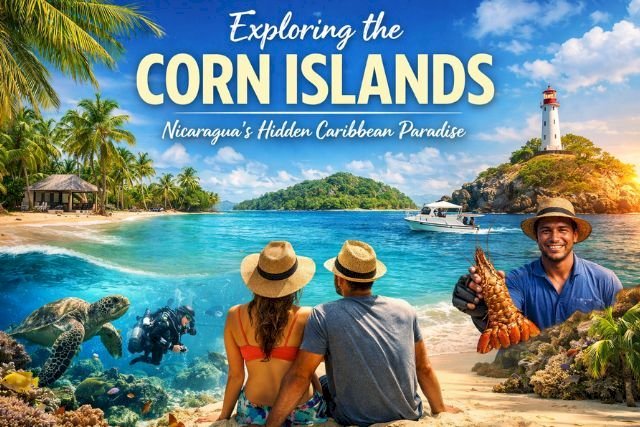
Tucked away in the turquoise waters of the Caribbean Sea, the Corn Islands remain one of Central America’s best-kept travel secrets. Far from the mega-resorts of Cancún or the cruise crowds of Jamaica, this laid-back island duo offers white-sand beaches, vibrant coral reefs, coconut-lined shores, and a relaxed rhythm of life that feels worlds away from modern stress.
Located off the Caribbean coast of Nicaragua, the Corn Islands are made up of two distinct destinations: Big Corn Island and Little Corn Island. Each island has its own personality, atmosphere, and travel style — making them ideal for backpackers, couples, divers, digital detox seekers, and travelers looking for an authentic Caribbean experience without the inflated price tag.
This in-depth guide covers everything you need to know before planning your trip — from beaches and diving to costs, safety, and itineraries.
What the Corn Islands Actually Feel Like
Unlike heavily commercialized Caribbean destinations, the Corn Islands feel slower and more authentic. Travelers often describe the experience as stepping back in time — where golf carts replace traffic, local fishermen sell fresh lobster directly from the shore, and beach bars play reggae long after sunset. On Little Corn Island, the absence of cars and paved roads creates a peaceful atmosphere that many visitors say is difficult to find elsewhere in the Caribbean today
Why the Corn Islands Are Trending in 2026
In 2026, the Corn Islands are gaining attention among travelers looking for affordable Caribbean destinations without crowds. With rising prices in places like Cancún and Jamaica, more people are searching for hidden gems — and the Corn Islands are quickly becoming one of the top alternatives.
Where Are the Corn Islands?
The Corn Islands lie approximately 70 kilometers (43 miles) east of Nicaragua’s mainland in the Caribbean Sea. Unlike Nicaragua’s Pacific coastline — known for surf towns and volcanoes — the Corn Islands feel culturally and geographically Caribbean.
The islands were once under British influence, and that legacy is still visible today in the Creole language, Afro-Caribbean culture, and relaxed island lifestyle.
Big Corn Island vs Little Corn Island
Although often grouped together, the two islands offer very different travel experiences:
Big Corn Island
-
More developed
-
Has an airport
-
Paved roads and taxis
-
Larger hotels and small resorts
-
Ideal for convenience and comfort
Little Corn Island
-
No cars allowed
-
Accessible only by boat
-
Quiet and rustic
-
Sandy footpaths instead of roads
-
Ideal for romance and total relaxation
If you’re unsure which to choose, many travelers split their stay between both.
Big Corn vs Little Corn: Which Should You Choose?
Here’s a quick comparison to help you decide:
| Feature | Big Corn Island | Little Corn Island |
|---|---|---|
| Accessibility | Direct flight | Boat only |
| Transportation | Taxis, bicycles | Walking only |
| Atmosphere | Relaxed but social | Quiet & secluded |
| Nightlife | Moderate | Minimal |
| Best For | Families & comfort seekers | Couples & backpackers |
Big Corn offers more structure and convenience. Little Corn offers peace, intimacy, and a digital detox vibe.
Big Corn vs Little Corn: Quick Decision Guide
If you want comfort, easy transport, and air-conditioned hotels, choose Big Corn Island. If you prefer silence, nature, and a car-free lifestyle, Little Corn Island is the better choice. Many travelers visit both to experience the contrast.
If you're planning your trip, check out the best areas to stay in Dubai in 2026 and find the ideal location for every budget
Top Things to Do in the Corn Islands
Despite their small size, the Corn Islands offer a surprising range of activities.
1. Relax on Pristine Beaches
The beaches here are unspoiled and crowd-free. Expect powdery white sand, crystal-clear water, and swaying palms.
-
Long Bay Beach (Big Corn) – Calm waters and easy swimming.
-
South End Beach (Big Corn) – Ideal for sunsets.
-
Otto Beach (Little Corn) – Secluded and photogenic.
-
Hidden coves around Little Corn – Perfect for private escapes.
Unlike heavily developed Caribbean islands, you won’t find rows of beach chairs — just natural beauty.
2. Snorkeling and Scuba Diving
The Corn Islands are part of a thriving Caribbean reef system filled with:
-
Coral gardens
-
Reef sharks
-
Sea turtles
-
Eagle rays
-
Tropical fish
Visibility is often excellent, and dive sites remain relatively untouched compared to more commercial dive destinations. Little Corn Island, in particular, is famous among divers for its dramatic drop-offs and vibrant marine life.
Even beginners can join introductory dive courses.
3. Fishing & Boat Tours
Fishing is deeply embedded in island culture. Many locals earn their living from lobster, snapper, and other seafood.
You can:
-
Join a deep-sea fishing excursion
-
Take a snorkeling boat tour
-
Enjoy a sunset cruise
Fresh lobster dinners are a highlight — especially during lobster season.
4. Explore Island Life
On Little Corn Island, walking is the only way to get around. Trails weave through palm forests and coastal cliffs. The absence of cars creates a peaceful atmosphere rarely found elsewhere.
You can hike to:
-
The island lighthouse
-
Northern cliff viewpoints
-
Remote beaches unreachable by road
Best Beaches in the Corn Islands
The beaches here feel untouched. No high-rise resorts. No cruise ship crowds.
Long Bay Beach offers calm waters perfect for swimming.
Otto Beach on Little Corn feels almost private — often you’ll share it with just a handful of travelers.
South End Beach is ideal for evening walks and golden sunsets.
If you’re searching for raw Caribbean beauty without commercialization, this is it.
Where to Stay in the Corn Islands
Accommodation ranges from basic hostels to boutique beachfront resorts.
Budget Options
-
Guesthouses: $15–$40 per night
-
Backpacker lodges with hammocks
-
Shared dorms on Little Corn
Mid-Range Hotels
-
Beachfront cabins
-
Air-conditioned rooms
-
Small eco-lodges
-
$50–$120 per night
Luxury Stays
-
Boutique resorts
-
Private villas
-
Ocean-view suites
-
$150+ per night
Little Corn leans toward eco-friendly, rustic stays, while Big Corn offers more comfort and air-conditioned accommodations.
Food & Local Culture
The Corn Islands have a distinct Afro-Caribbean culture shaped by Creole heritage.
Expect dishes like:
-
Coconut rice & beans
-
Fresh grilled lobster
-
Stewed snapper
-
Coconut bread
-
Rondon (a traditional seafood stew)
English Creole is widely spoken, alongside Spanish. Music, hospitality, and community life feel warm and welcoming.
Dining is relaxed — beachside restaurants often serve the day’s fresh catch.
How to Get to the Corn Islands
Reaching paradise takes a little effort — but that’s part of the charm.
Step 1: Fly to Managua
Arrive at Nicaragua’s capital.
Step 2: Domestic Flight
Take a short domestic flight to Big Corn Island (about 1.5 hours).
Step 3: Boat to Little Corn
If heading to Little Corn, take a 30–45 minute boat ride from Big Corn.
Travel Tip: Weather can affect boat schedules, so allow flexibility.
Best Time to Visit
The best time to visit is during the dry season (roughly December to April).
-
Sunny skies
-
Calm waters
-
Ideal diving conditions
The rainy season (May to November) brings occasional storms, but also fewer tourists and lower prices.
Hurricane season officially runs from June to November, though direct hits are relatively rare.
Weather & Sea Conditions You Should Know
Sea conditions between Big Corn and Little Corn can sometimes become rough, especially during stormy weather. Boat rides may feel intense for travelers prone to seasickness. During heavy rain or strong winds, transportation schedules occasionally change or get delayed. Checking local weather updates before island transfers is strongly recommended.
How Much Does a Trip Cost?
The Corn Islands are one of the Caribbean’s most affordable destinations.
Estimated Daily Budget
| Expense | Budget | Mid-Range | Luxury |
|---|---|---|---|
| Accommodation | $20–40 | $60–120 | $150+ |
| Food | $10–20 | $25–40 | $60+ |
| Activities | $20–50 | $50–150 | $200+ |
Sample 5-Day Budget (Mid-Range Traveler)
-
Accommodation: $400
-
Food: $175
-
Activities: $200
-
Flights: Variable
Total (excluding international flights): Approximately $800–$1,000.
Compared to many Caribbean islands, that’s excellent value.
Common Tourist Costs in 2026
Travelers should expect slightly higher prices on Little Corn Island because nearly all supplies arrive by boat. A basic seafood meal may cost around $8–15, while snorkeling tours typically range from $25–60 depending on duration. Imported products, snacks, and alcohol are usually more expensive than mainland Nicaragua.
Is It Safe to Visit the Corn Islands?
The islands are generally considered safe for tourists.
-
Low crime rates
-
Friendly local community
-
Small-town atmosphere
Basic precautions apply:
-
Avoid walking in isolated areas late at night.
-
Secure valuables.
-
Use reef-safe sunscreen to protect coral.
Medical facilities are limited, so travel insurance is recommended.
If you want to avoid expensive tickets, check out these travel hacks to save money on flights in 2026 and learn how to save up to 50% on airfare
Internet & Digital Nomad Reality
While some travelers visit the Corn Islands to disconnect completely, others still work remotely during their stay. WiFi is available in many hotels and cafes, especially on Big Corn Island, but speeds can vary significantly depending on weather and electricity conditions. Video calls may not always be reliable on Little Corn Island. Travelers planning extended stays should prepare for occasional outages and slower internet compared to mainland destinations
Travel Tips for First-Time Visitors
-
Bring cash — ATMs are limited.
-
Internet can be slow.
-
Electricity outages occasionally occur.
-
Pack light, breathable clothing.
-
Respect local culture and traditions.
-
Reef-safe sunscreen is essential.
Little Corn especially is ideal for disconnecting from constant WiFi.
Sample Itineraries
3-Day Relaxation Escape
Day 1: Arrive on Big Corn, beach sunset
Day 2: Boat to Little Corn, snorkel & seafood dinner
Day 3: Beach day + lighthouse hike
5-Day Adventure Itinerary
Day 1: Explore Big Corn beaches
Day 2: Scuba diving excursion
Day 3: Transfer to Little Corn
Day 4: Cliff hike + hidden beach swim
Day 5: Fishing tour + farewell lobster dinner
Why the Corn Islands Are Still a Hidden Paradise
Unlike mass-tourism hotspots, the Corn Islands remain refreshingly authentic.
There are:
-
No large cruise ports
-
No mega-resorts
-
No crowded boardwalks
What you get instead:
-
Quiet beaches
-
Genuine hospitality
-
Affordable prices
-
Untouched marine ecosystems
If you value authenticity over luxury chains, this destination delivers.
Is It Still a Hidden Paradise in 2026?
Despite growing popularity, the Corn Islands still remain less crowded compared to mainstream Caribbean destinations. However, tourism is slowly increasing — making now one of the best times to visit before it becomes more commercialized.
Frequently Asked Questions
Are the Corn Islands worth visiting?
Absolutely — especially if you love beaches, diving, and relaxed island culture.
Which island is better?
Big Corn for convenience; Little Corn for tranquility.
Can you use US dollars?
Yes, US dollars are widely accepted.
Is WiFi available?
Yes, but it can be slow and unreliable.
Do you need a visa?
Many nationalities receive visa-free entry to Nicaragua — check current requirements before traveling.
Final Thoughts: Is This Caribbean Paradise Right for You?
The Corn Islands are not about luxury shopping malls or all-inclusive resorts. They are about slowing down. Watching sunsets. Eating fresh lobster. Walking barefoot along empty beaches.
If you’re seeking:
-
A peaceful Caribbean escape
-
Affordable island travel
-
World-class diving
-
Authentic local culture
Then exploring the Corn Islands may be one of the best travel decisions you’ll ever make.
In a world where many destinations feel overrun, Nicaragua’s hidden Caribbean paradise remains beautifully under the radar — for now.
If you're curious about hidden secrets, check out 25 interesting facts about Peru in 2026 and discover shocking, fun, and little-known facts you won’t believe