Is the Vending Machine Business Still Profitable in 2025? Let’s Find Out!
Discover if the vending machine business is still profitable in 2025. Learn startup costs, average profits, and new tech trends shaping the industry.
 alissaperry
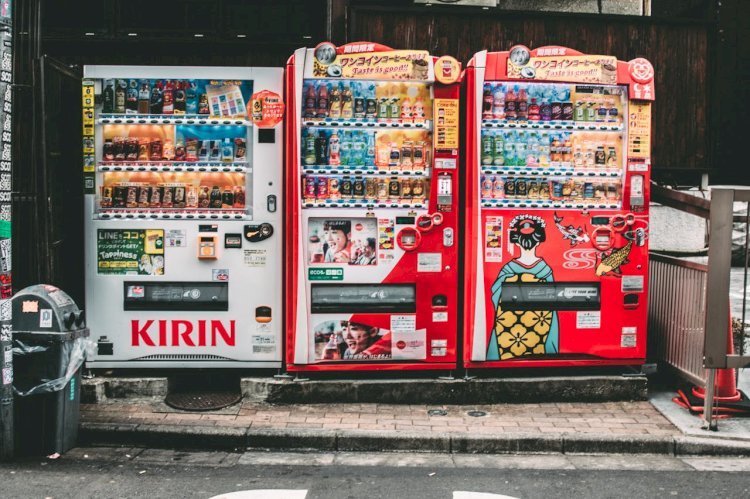
The vending machine business has long been viewed as one of the most accessible ways to generate passive income. From snacks and drinks to phone chargers and beauty products, vending machines are evolving with modern consumer demands. But the question remains — is the vending machine business still profitable in 2025?
With digital payments, AI-powered machines, and health-conscious products dominating the market, the vending industry has entered a new era. Let’s explore costs, profits, and real strategies to determine if it’s still a money-making venture this year.
The Modern Vending Machine Industry in 2025
Once limited to chips and soda, vending machines have now transformed into smart, automated retail hubs. Thanks to contactless payments and advanced sensors, vending businesses are more efficient and profitable than ever.
According to Grand View Research, the global vending machine market is projected to exceed $35 billion by 2025, fueled by growing demand for convenience and 24/7 availability. Countries like the U.S., U.K., and Japan lead the trend, with micro-markets and self-service stations popping up everywhere — from gyms to office lobbies.
Popular niche categories include:
-
Healthy snack vending machines
-
Coffee and beverage dispensers
-
Electronics and gadget vending
-
Beauty and hygiene products
-
CBD and eco-friendly item machines
The takeaway: The vending machine business in 2025 isn’t dying — it’s diversifying.
How Much Does It Cost to Start a Vending Machine Business in 2025?
Startup costs vary depending on the scale of your operation and machine type. Entry-level operators can start small, while advanced entrepreneurs may invest in networks of smart vending units.
Average Startup Costs:
| Expense Type | Estimated Cost (USD) | Notes |
|---|---|---|
| Machine Purchase | $2,000 – $6,000 | Smart or combo machines cost more |
| Stock & Supplies | $300 – $800 | Initial inventory and packaging |
| Licensing/Permits | $100 – $500 | Depending on local regulations |
| Location Rent/Commission | 10–25% | Paid to property owner monthly |
| Maintenance & Insurance | $200 – $400 | Routine upkeep and protection |
Tip: Buying refurbished vending machines can reduce upfront costs by up to 40%, while newer models come with cloud-based management and energy-efficient designs.
Average Earnings & Profit Margins
A well-placed vending machine can generate $250 to $600 per month in revenue, depending on traffic and product mix. Operators with multiple machines can easily scale their income into the thousands.
After deducting expenses like restocking and commissions, profit margins range between 40% and 60%. For instance:
-
A single snack machine earning $500/month could yield $200–$300 profit.
-
A beverage vending machine near a gym could earn $800+ monthly.
-
A network of 10 machines can generate over $2,000 in monthly profit once established.
ROI (Return on Investment) typically occurs within 12–18 months of consistent operation.
Most Profitable Vending Categories in 2025
The vending machine business has become more profitable by embracing niche product categories. Consumer behavior now leans toward convenience and wellness.
Top Profitable Categories:
-
Healthy Snacks & Drinks – protein bars, sparkling water, fruit packs.
-
Coffee & Hot Beverages – high-margin and ideal for offices or campuses.
-
Tech Accessories – earbuds, cables, and portable chargers for travelers.
-
Beauty & Skincare Items – mini lotions, face masks, and cosmetics.
-
Sustainable Products – eco-friendly utensils and hygiene kits.
Pro tip: Keep seasonal and local products to maintain freshness and relevance.
Location — The Key to Vending Success
No matter how good your machine or products are, your location determines profitability. The best-performing vending machines are placed where people are waiting, commuting, or on breaks.
Best Vending Machine Locations:
| Location Type | Foot Traffic | Monthly Revenue Potential |
|---|---|---|
| Office Buildings | Medium–High | $300–$500 |
| Schools & Colleges | High | $400–$700 |
| Hospitals | Very High | $600–$800 |
| Gyms | Medium | $300–$600 |
| Train Stations & Airports | Very High | $700–$1,000+ |
Tip: Secure contracts with property managers early. Offer a revenue-sharing model (10–20%) to ensure long-term access.
The Role of Technology & Smart Vending
Technology is the biggest driver of vending machine profitability in 2025. Smart vending machines are transforming operations with:
-
AI inventory tracking – reduces stockouts and waste.
-
Cashless payment systems – Apple Pay, Google Wallet, and QR options.
-
Remote monitoring – manage multiple machines via cloud dashboards.
-
Data analytics – see what sells best and adjust pricing dynamically.
Emerging innovations like voice-activated machines, biometric ID for age-restricted items, and solar-powered units are setting new standards for eco-efficiency and security.
Pros & Cons of Running a Vending Machine Business
Before jumping in, weigh the benefits and challenges:
| Pros | Cons |
|---|---|
| Low operational costs | High initial investment |
| Passive income potential | Requires refills and maintenance |
| 24/7 automated operation | Location-dependent profitability |
| Scalable and flexible | Vandalism or theft risk |
Bottom line: The vending machine business in 2025 remains low-risk and scalable for those who manage locations and maintenance wisely.
Tips to Maximize Vending Profits in 2025
To make your vending machine business thrive this year, apply these expert strategies:
-
Pick High-Traffic Areas: Prioritize spots like hospitals, universities, and malls.
-
Offer Modern Payment Options: Accept cards, mobile wallets, and contactless payments.
-
Monitor Data Analytics: Use smart software to identify best-selling items.
-
Keep Machines Clean & Well-Lit: Presentation boosts sales.
-
Test Local & Seasonal Products: Build engagement and freshness perception.
-
Bundle Multiple Machines: Operate combos (snack + drink) to increase revenue per site.
-
Advertise on Screens: Sell ad space on digital vending screens for extra income.
Future Outlook — Is It Still Worth It?
Despite competition and rising operational costs, the vending machine business is still profitable in 2025 — especially for entrepreneurs adopting modern trends. With increasing consumer reliance on convenience and automation, the vending market is expected to grow 6–8% annually over the next five years.
The future of vending lies in:
-
Eco-friendly machines
-
Smart restocking logistics
-
Custom vending (local brands, fresh foods)
-
Sustainable packaging and solar energy
Verdict: Yes, the vending machine business is still a profitable venture in 2025, but only if you embrace technology, choose prime locations, and continuously adapt to customer preferences.
Conclusion
The vending machine business remains a viable and profitable opportunity in 2025, provided entrepreneurs understand modern trends. With smart machines, diverse product categories, and digital payments, vending is no longer just about snacks — it’s about innovation and convenience.
If you’re ready to start a vending business, plan strategically, choose high-traffic spots, and let technology do the heavy lifting. Profitability isn’t fading — it’s evolving.
FAQs
1. How much can one vending machine make per month?
Most machines generate between $250 and $600 monthly, depending on traffic and product mix.
2. What’s the best product to sell in vending machines in 2025?
Healthy snacks, cold beverages, and tech accessories are trending top sellers.
3. Do vending machines require a business license?
Yes. Most regions require business registration and health permits for food items.
4. Is the vending business truly passive income?
It’s semi-passive — you’ll need to handle restocking, cleaning, and maintenance periodically.
5. How can I find profitable vending machine locations?
Use foot-traffic analysis apps, network with property managers, and target areas with consistent activity like schools or hospitals.
Read More: How to Become a Tattoo Artist in 2025: Step-by-Step Career Guide