Regular vs. Organic Lip Balm: Which Is Truly Better for You?
Regular vs. Organic Lip Balm — find out which one is better for your lips, health, and the planet. Compare ingredients, benefits, and expert insights.
 alissaperry
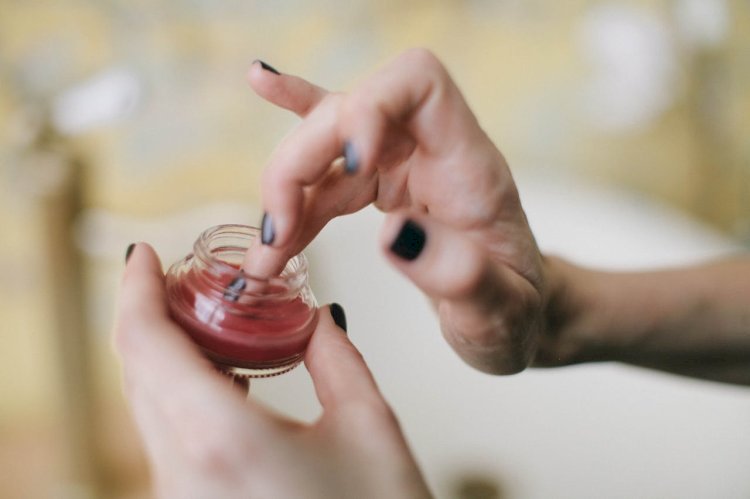
In the world of skincare, lip balm is one of the simplest yet most essential products we use daily. From cold winters to hot summers, it keeps our lips hydrated, smooth, and protected. But with so many brands promoting “natural” or “organic” claims, the question arises — is organic lip balm really better than regular lip balm?
In 2025, consumers are more ingredient-conscious than ever. As awareness about chemicals and sustainability grows, many people are making the switch to organic lip balms. But before you toss your current tube away, it’s important to understand what sets them apart. Let’s break down the differences, pros, cons, and what’s truly best for your lips — and your health.
What Is Organic Lip Balm?
An organic lip balm is made primarily from natural and certified organic ingredients. These balms often use plant-based oils, beeswax, shea butter, and essential oils to nourish lips without relying on synthetic additives.
The word “organic” refers to ingredients grown without pesticides, GMOs, or chemical fertilizers. Many reputable organic lip balms carry certifications like USDA Organic, Ecocert, or COSMOS, guaranteeing that they meet strict standards for natural production.
Common ingredients include:
-
Beeswax: forms a protective barrier to seal in moisture.
-
Coconut oil & shea butter: hydrate and soften lips.
-
Vitamin E: acts as a natural antioxidant.
-
Essential oils (lavender, peppermint): provide fragrance without chemicals.
Unlike synthetic options, organic lip balms avoid harmful chemicals and rely on nature’s best moisturizers to heal and protect.
What Is Regular Lip Balm?
Regular lip balm, on the other hand, typically uses synthetic or petroleum-based ingredients. While these formulas are effective at locking in moisture, they often coat rather than nourish the lips.
Ingredients found in regular lip balms include:
-
Petrolatum or mineral oil: creates a barrier but doesn’t add long-term hydration.
-
Parabens & synthetic preservatives: extend shelf life but may irritate sensitive skin.
-
Artificial colors and flavors: enhance product appeal but add no real benefit.
These products are widely available, affordable, and long-lasting — making them convenient for everyday use. However, they may not always be the healthiest choice for your skin or the environment.
Key Ingredient
| Feature / Ingredient | Organic Lip Balm | Regular Lip Balm |
|---|---|---|
| Base Ingredient | Beeswax, coconut oil, shea butter | Petroleum jelly, mineral oil |
| Fragrance | Essential oils | Synthetic fragrances |
| Preservatives | Natural (vitamin E, rosemary extract) | Chemical (parabens, BHT) |
| Texture | Soft and creamy | Glossy, waxy feel |
| Skin Sensitivity | Gentle, hypoallergenic | May irritate sensitive skin |
| Eco-Friendliness | Biodegradable, cruelty-free | Plastic-based, non-biodegradable |
Benefits of Using Organic Lip Balm
Switching to organic lip balm isn’t just a beauty choice — it’s a healthier lifestyle decision. Here’s why more people are making the switch:
1. Nourishes Naturally
Organic balms are packed with vitamins, fatty acids, and antioxidants that deeply moisturize lips. Unlike petroleum jelly that just coats, natural oils penetrate the skin for lasting softness.
2. Chemical-Free & Safe
No parabens, sulfates, or synthetic dyes — making them perfect for people with sensitive or dry lips.
3. Eco-Friendly & Cruelty-Free
Organic lip balms use sustainable ingredients and biodegradable packaging, reducing your carbon footprint.
4. Rich in Natural Fragrance
Essential oils add a subtle, natural scent without artificial perfumes that can irritate.
5. Supports Ethical Brands
Choosing organic supports brands that prioritize sustainability, fair trade, and environmental health.
Potential Drawbacks of Organic Lip Balm
While organic options are gentler and safer, they aren’t flawless. Here are a few points to consider:
-
Shorter Shelf Life: Without synthetic preservatives, they may expire faster.
-
Higher Cost: Premium ingredients and certifications make them pricier.
-
Batch Variation: Texture and fragrance may differ slightly per batch since they’re natural.
-
Allergies: Some users might react to nut oils or beeswax if allergic.
Despite these minor cons, the overall health benefits of organic lip balm usually outweigh the downsides.
Pros and Cons of Regular Lip Balm
✅ Pros:
-
Widely available and budget-friendly.
-
Long shelf life due to preservatives.
-
Some medicated versions include SPF or cooling agents.
❌ Cons:
-
Petroleum-based ingredients can block pores and hinder healing.
-
Artificial additives can cause dryness or irritation with prolonged use.
-
Often tested on animals or made with non-renewable resources.
Expert tip: Dermatologists often recommend avoiding overly glossy balms with camphor or menthol, as they can dry lips out further over time.
Expert Opinion & Dermatologist Insights
Many dermatologists agree that organic lip balm can be better for maintaining healthy lips — provided it’s made by a reliable brand. Dr. Rachel Nazarian of Mount Sinai Hospital notes that “natural oils like coconut or jojoba are excellent emollients that heal cracked lips effectively.”
However, experts caution that “organic” isn’t always synonymous with “better.” Some natural essential oils (like peppermint) may cause tingling or irritation in sensitive individuals. The key is to check labels carefully, understand what works for your skin, and look for third-party certifications rather than marketing buzzwords.
DIY Option: Make Your Own Organic Lip Balm
Creating your own organic lip balm at home is easier than you think — and it ensures you know exactly what’s in it.
Basic Recipe:
Ingredients:
-
1 tbsp beeswax pellets
-
1 tbsp coconut oil
-
1 tbsp shea butter
-
2–3 drops of essential oil (lavender, peppermint, or vanilla)
Steps:
-
Melt the beeswax, coconut oil, and shea butter together in a double boiler.
-
Remove from heat and stir in your essential oil.
-
Pour into small tins or tubes and let it cool.
-
Store in a cool, dry place for up to 6 months.
This DIY version offers full control over ingredients and fragrance while being fun and eco-friendly to make.
How to Choose the Right Lip Balm for You
When choosing between organic vs. regular lip balm, consider the following:
-
Check Labels Carefully: Avoid parabens, petrolatum, and artificial fragrances.
-
Know Your Lip Type: Sensitive lips benefit from hypoallergenic organic balms.
-
Look for Certifications: USDA Organic or cruelty-free logos indicate safer options.
-
Consider SPF Protection: For outdoor use, pick a balm with natural SPF (like zinc oxide).
-
Packaging Matters: Opt for recyclable or compostable packaging to reduce waste.
If you’re making the switch, start with a well-known organic lip balm brand like Burt’s Bees, Dr. Bronner’s, or Hurraw! to experience the difference firsthand.
Verdict: Which Is Truly Better?
After weighing the facts, organic lip balm clearly comes out on top for those seeking long-term lip health and eco-conscious beauty choices. Its natural ingredients nourish rather than mask dryness, and its production supports ethical, sustainable practices.
However, regular lip balm still has its place — especially for those on a budget or needing medicated relief. The best option ultimately depends on your personal priorities: health, cost, or convenience.
Final takeaway:
If you care about what goes on your skin — and into your body — organic lip balm is the smarter, cleaner choice.
FAQs
Q1. Is organic lip balm safer than regular lip balm?
Yes, it’s typically safer since it avoids synthetic chemicals and artificial additives that may irritate lips.
Q2. Can regular lip balm damage lips over time?
Certain formulas with petrolatum or menthol can cause dependency or dryness with excessive use.
Q3. Are organic lip balms worth the higher price?
Absolutely. You’re investing in natural ingredients, sustainable sourcing, and better long-term lip health.
Q4. What ingredients should I avoid in regular lip balm?
Avoid parabens, artificial dyes, BHT, and synthetic fragrances if you have sensitive or dry lips.
Q5. How often should I apply organic lip balm?
Apply 2–3 times a day or whenever your lips feel dry. Organic balms usually require fewer applications due to deeper hydration.
Conclusion
Whether you prefer all-natural or don’t mind synthetic formulas, your lips deserve care that works — not just covers. Organic lip balms nourish deeply, protect naturally, and align with a more sustainable lifestyle.
If you’re ready to make the switch, start small: try an organic option for a week and feel the difference in softness, smoothness, and overall comfort. Your lips — and the planet — will thank you.
Read More: How to Choose the Best Shampoo for Good Hair Growth and Scalp Health