Influencers Gone Wild: When Fame Turns Into Chaos (2025 Update)
Influencers Gone Wild (2025): Explore viral scandals, chaotic fame, and how digital clout chasing turns into real-world consequences in the influencer era.
 alissaperry
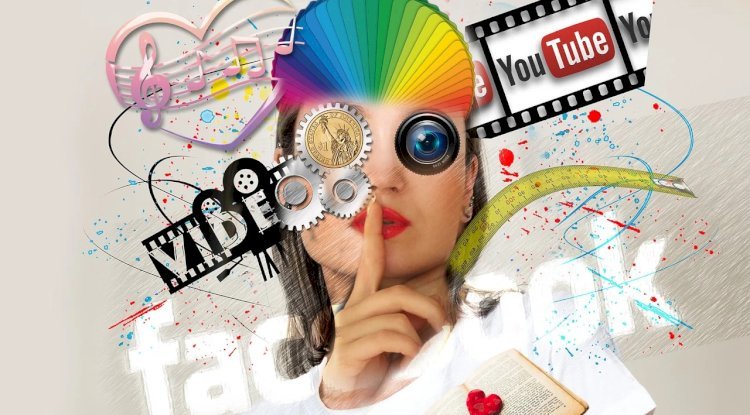
In 2025, the influencer industry is bigger—and wilder—than ever. From viral livestream breakdowns to scandal-driven comebacks, the term “Influencers Gone Wild” has become more than clickbait; it’s a snapshot of modern fame gone chaotic.
In the pursuit of engagement, followers, and sponsorships, some creators cross moral, legal, and emotional lines. This article explores why influencers “go wild,” what it costs them, and how fame itself can spiral out of control in today’s digital ecosystem.
What Does “Gone Wild” Mean in the Influencer Era?
In today’s influencer landscape, “gone wild” refers to extreme, reckless, or unethical behavior designed to shock audiences and stay trending. Once associated with “fun and freedom,” it now reflects chaos and controversy.
Common patterns include:
-
Public breakdowns and livestream rants
-
Dangerous pranks or criminal stunts for clout
-
Sexual or exploitative content leaks
-
Fake giveaways, scams, or charity frauds
Each act feeds the algorithm—and costs creators credibility, income, or freedom.
Viral Moments That Broke the Internet
Real-life examples of Influencers Gone Wild reveal how quickly online antics spiral into real-world consequences.
| Influencer | Platform | Incident | Outcome |
|---|---|---|---|
| Ava Monroe | TikTok | Faked cancer for donations | Permanent ban, legal charges |
| Zack Blaze | YouTube | Filmed a fake “smash-and-grab” prank | Arrested, demonetized |
| Bella Vixen | OnlyFans | Leaked explicit fan content | Investigation launched |
| Kai Devlin | Staged a “car crash challenge” for views (2025) | Account suspended, fined $20K |
These cases demonstrate that virality often blurs the line between entertainment and endangerment.
The Psychology Behind Influencer Meltdowns
Why do influencers risk everything for engagement? According to digital psychologists, the dopamine loop of likes and validation creates dependency.
Key psychological drivers include:
-
Narcissistic reinforcement: Constant praise inflates ego, making criticism unbearable.
-
Parasocial delusion: Creators blur fantasy and reality, believing audiences owe them loyalty.
-
Addictive engagement cycles: Every post must outperform the last, escalating shock value.
“Fame addiction operates like substance addiction—it rewires reward systems,” says Dr. L. Harris, a behavioral psychologist specializing in digital culture.
Once the dopamine fades, desperation often replaces creativity.
The Role of Algorithms and Platforms
Social platforms profit from chaos. Outrage equals engagement—and engagement equals ad revenue.
Algorithms tend to:
-
Prioritize controversial or emotional content
-
Delay punishment for high-earning creators
-
Apply inconsistent moderation policies
In 2025, platforms like TikTok and YouTube have announced AI moderation updates to reduce “harmful virality,” but enforcement remains inconsistent. As a result, Influencers Gone Wild stories keep emerging faster than they can be contained.
The Business Impact of Going Wild
Wild behavior might go viral, but it rarely pays off long-term. The cost of scandal can devastate a career.
| Impact Area | Example | Result |
|---|---|---|
| Brand Deals | Beauty influencer caught faking product claims | Lost $250K in sponsorships |
| Platform Monetization | YouTuber prank gone wrong | Channel demonetized |
| Reputation | Influencer’s apology seen as insincere | Lost 40% followers |
| Legal Action | Fraudulent charity fundraiser | Court fines and probation |
Brands now vet creators with AI-powered reputation checks before collaborations—reducing tolerance for controversy.
Legal & Ethical Implications
The “Influencers Gone Wild” trend has drawn legal attention worldwide.
In 2025:
-
The UK Advertising Standards Authority (ASA) strengthened disclosure rules for sponsored content.
-
The FTC (USA) introduced penalties for deceptive “emotional manipulation” marketing.
-
Several countries are considering “digital responsibility laws” to regulate influencer behavior.
Ethical lapses no longer just hurt reputations—they carry financial and criminal consequences.
Fans & Followers: Complicit or Victims?
The audience plays a huge role in fueling influencer chaos.
Some fans cheer scandals for entertainment, while others face emotional harm or deception.
-
Complicit Engagement: Likes and shares reward bad behavior.
-
Victimization: Followers manipulated by fake giveaways or parasocial bonds.
-
Cancel Culture Loops: Public outrage often replaces true accountability.
Ultimately, both creators and fans feed the same system that rewards extremes.
Redemption Stories: Can Influencers Come Back From Chaos?
While some crash permanently, others stage powerful comebacks.
Famous Recoveries:
-
David Dobrik: Rebuilt brand via apology tours, donations, and rebranding to positive content.
-
Trisha Paytas: Transitioned from drama-driven videos to parenting and lifestyle influence.
-
Logan Paul: Transformed his image through business ventures and sports professionalism.
Reputation Recovery Formula:
-
Authentic public apology
-
Transparency and accountability
-
Mental health advocacy
-
Purpose-driven content rebrand
In 2025, redemption is possible—but only for those who evolve beyond ego and engage with sincerity.
How to Spot an Influencer About to “Go Wild”
Recognizing red flags can protect audiences and sponsors alike.
Red Flags:
-
Sudden shift to extreme, shock-driven content
-
Public feuds or erratic livestreams
-
Inconsistent ethics or contradicting sponsorships
-
Signs of burnout, isolation, or substance abuse
Brands and fans who identify these early can intervene—or disengage—before chaos erupts.
Influencers Gone Wild in 2025: New Wave of Chaos
This year has already seen several shocking influencers gone wild moments:
-
A gaming streamer live-streamed a police chase for “content.”
-
A fitness influencer sold “AI meal plans” using stolen data.
-
A TikTok star staged a fake abduction video to gain sympathy from followers.
Platforms are slowly adopting AI monitoring systems to flag “emotional manipulation” and fake crisis marketing—but scandals continue to trend faster than accountability.
Expert Insight: The Future of Digital Fame
As AI and VR influence content creation, the next generation of influencers faces even higher pressure to stay relevant.
Experts predict:
-
Authenticity will become currency: Audiences crave emotional truth over perfection.
-
Mental health clauses in influencer contracts will become standard.
-
Ethical influencers will dominate brand partnerships by 2026.
The age of wild fame is evolving—toward accountability, empathy, and realism.
Conclusion
The phrase “Influencers Gone Wild” reflects the fragile balance between visibility and vulnerability. In chasing attention, some creators lose authenticity, ethics, and even freedom. But the same digital landscape that destroys reputations can also rebuild them—if influencers embrace responsibility over shock value.
For audiences, the message is simple: reward integrity, question chaos, and remember that behind every viral meltdown lies a human being navigating the cost of fame.
FAQs
1. What does ‘Influencers Gone Wild’ mean?
It refers to influencers behaving recklessly or unethically to gain attention online.
2. Why do influencers act out?
To maintain relevance, chase validation, or due to mental health and addiction pressures.
3. What happens when they go too far?
They risk bans, brand losses, lawsuits, and permanent reputation damage.
4. Can influencers recover from scandals?
Yes—with genuine change, apologies, and consistent, transparent behavior.
5. How can followers protect themselves?
Avoid toxic creators, verify information, and support influencers who uphold ethical standards.
Read More: Inside the Drive Social Media Lawsuit: The Truth Behind the Viral Case