Catherine the Great Furniture: A Glimpse into Imperial Splendor
Explore Catherine the Great furniture, its imperial history, Neoclassical design, rare materials, Amber Room legacy, and where to see these Russian palace masterpieces today.
 alissaperry
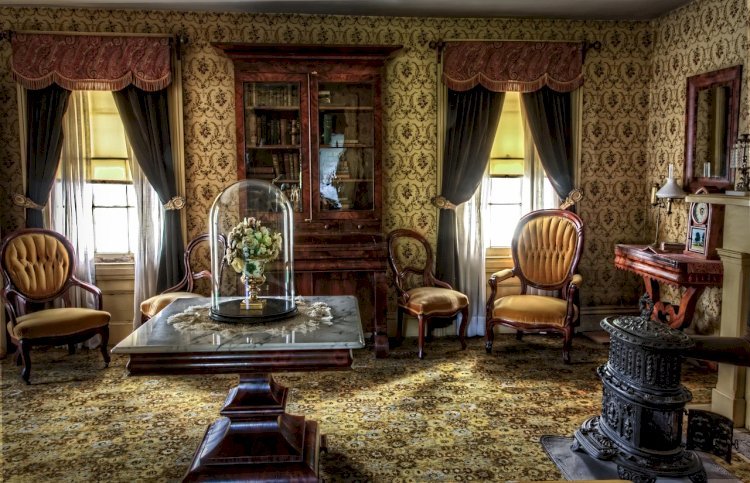
Catherine the Great Furniture stands as a timeless reminder of Russia’s imperial wealth, artistry, and cultural ambition. As Empress of Russia from 1762 to 1796, Catherine II transformed her palaces into showcases of luxury and refinement, blending European Neoclassicism with uniquely Russian craftsmanship.
Even in 2025, Catherine the Great Furniture continues to fascinate historians, collectors, and museum visitors. From the opulent halls of the Catherine Palace to the grand galleries of the State Hermitage Museum, her furnishings remain icons of imperial grandeur.
What Is Catherine the Great Furniture?
Catherine the Great Furniture refers to the luxurious palace furnishings commissioned during the reign of Empress Catherine II of Russia between 1762 and 1796. These pieces were designed to reflect imperial authority, Enlightenment ideals, and Russia’s growing alignment with European artistic traditions.
Characterized by Neoclassical symmetry, fine craftsmanship, and the use of rare materials such as gilded bronze, marble, and exotic woods, Catherine’s furniture transformed Russian interiors into symbols of global power. Today, Catherine the Great Furniture is celebrated not only for its beauty but also for its historical significance, offering insight into how art, politics, and culture merged during one of Russia’s most influential eras.
Historical Context of Catherine the Great’s Interior Revolution
Catherine II came to power during a period when Russia was rapidly redefining its cultural identity. Determined to modernize the empire, she embraced the ideals of the European Enlightenment and used architecture, furniture, and decorative arts to demonstrate Russia’s sophistication on the world stage.
Furniture played a strategic role in this transformation. Palaces such as Tsarskoe Selo and the Winter Palace were redesigned with interiors that reflected intellectual refinement, order, and classical beauty. Instead of relying solely on traditional Russian styles, Catherine deliberately introduced Neoclassical design principles popular in France and Italy.
By combining European aesthetics with Russian craftsmanship, Catherine the Great Furniture became a powerful cultural statement—symbolizing Russia’s emergence as a modern imperial power.
Catherine the Great and Her Vision for Interiors
Catherine the Great believed art and architecture were essential tools for shaping Russia’s global image. By commissioning leading European artisans and supporting Russian craftsmen, she used furniture and décor not just as palace decoration but as symbols of power and enlightenment.
Her interiors fused Rococo elegance with Neoclassical order, aligning Russia with cultural trends sweeping across France, Italy, and England during the 18th century.
European Influence on Catherine the Great Furniture
Catherine’s reign was marked by collaboration with Europe’s finest artisans.
-
François Rémond (France): A bronze master who created elaborate gilded mounts for furniture pieces.
-
David Roentgen (Germany): Known for intricate mechanical writing desks and marquetry, his works became part of Catherine’s private collection.
-
Italian and French Cabinetmakers: Introduced new construction techniques and decorative styles that gave Catherine’s interiors European refinement.
By inviting foreign talent, Catherine ensured her palaces rivaled Versailles or Schönbrunn, projecting Russia as a cultural powerhouse.
Charles Cameron’s Role in Shaping Style
The Scottish architect Charles Cameron played a key role in defining Catherine the Great Furniture. His Neoclassical interiors at the Catherine Palace and Pavlovsk Palace reflected symmetry, proportion, and intellectual beauty.
Cameron’s influence extended beyond architecture—he oversaw furniture selection and design. His aesthetic combined:
-
Classical motifs such as columns, medallions, and laurel wreaths
-
Fine woods with bronze or marble detailing
-
Balanced proportions that emphasized harmony and grandeur
Together, these elements established a distinct “Cameron-style” within Catherine’s reign.
The Amber Room: Jewel of Imperial Interiors
Among the most celebrated creations associated with Catherine the Great is the Amber Room at the Catherine Palace. Though not purely furniture, this chamber embodied the Empress’s taste for unmatched opulence.
-
Decorated with amber panels, mirrors, and gilded carvings
-
Once called the “Eighth Wonder of the World”
-
Looted during World War II and lost, but reconstructed in 2003
Today, the Amber Room remains one of the most iconic examples of imperial Russian design, and a central attraction for those studying Catherine the Great Furniture.
Russian Craftsmanship and Local Influence
While European artisans shaped much of the design, Russian craftsmen contributed significantly to the uniqueness of Catherine the Great Furniture.
They used:
-
Karelian birch for rich wooden surfaces
-
Ural malachite and local marbles for inlays and tables
-
Traditional carving techniques to integrate Russian motifs
This blend of imported style with domestic resources gave the furniture both an international elegance and a national identity.
Read Also: Kitchen Math Made Easy: How Many Tablespoons in 1/4 Cup (and Why It Matters)
Materials and Craft Techniques Used in Imperial Furniture
One of the defining characteristics of Catherine the Great Furniture was the extraordinary quality of materials used by imperial workshops. Russian and European artisans collaborated to create pieces that were both structurally durable and visually magnificent.
Common materials included:
-
Mahogany and Karelian birch for rich wood surfaces
-
Gilded bronze mounts crafted by French metalworkers
-
Malachite and marble used in decorative inlays
-
Silk and velvet upholstery imported from European textile centers
Artisans also employed advanced techniques such as marquetry, parquetry, and hidden mechanical mechanisms. Some desks designed by David Roentgen even contained secret compartments and automated writing features.
These innovative techniques elevated Catherine the Great Furniture beyond simple decoration, transforming it into a showcase of technological craftsmanship and artistic prestige.
Types of Catherine the Great Furniture
Catherine’s collection included a wide range of pieces, many of which survive today in Russian museums.
| Type of Furniture | Features | Notable Examples |
|---|---|---|
| Thrones & Chairs | Gilded wood, velvet upholstery, imperial insignia | State Hermitage Museum |
| Cabinets & Desks | Mechanical features, fine marquetry | Roentgen’s writing desks |
| Tables | Marble tops, bronze mounts | Pavlovsk Palace collection |
| Beds & Sofas | Neoclassical symmetry, ornate fabrics | Catherine Palace displays |
| Ceremonial Pieces | Designed for state functions | Throne halls at Tsarskoe Selo |
Where to See Catherine the Great Furniture Today
In 2025, visitors can admire Catherine the Great Furniture at some of Russia’s most famous cultural institutions:
| Location | Highlights |
|---|---|
| State Hermitage Museum (St. Petersburg) | Thrones, desks, and palace furnishings |
| Catherine Palace, Tsarskoe Selo | Amber Room, Neoclassical interiors |
| Pavlovsk Palace & Museum Reserve | Cameron’s Neoclassical designs with original furniture |
| International Exhibitions | The Romanovs Collect has toured Europe and the U.S. |
Digital innovations such as virtual museum tours and 3D restorations are also making Catherine’s collection globally accessible.
Why Catherine the Great Furniture Still Fascinates Collectors
Even centuries after Catherine II’s reign, interest in imperial Russian furniture continues to grow among historians, collectors, and museum curators.
There are several reasons why these pieces remain so valuable:
Historical rarity – Many pieces were destroyed during wars or palace fires, making surviving examples extremely scarce.
Royal provenance – Furniture linked directly to the Romanov dynasty carries immense cultural significance.
Artistic mastery – The craftsmanship rivals the finest furniture produced in France during the reign of Louis XVI.
Museum prestige – Institutions like the Hermitage Museum treat these objects as national treasures.
Because of these factors, Catherine the Great Furniture is often considered among the most important decorative arts of the 18th century.
Legacy of Catherine the Great Furniture
Catherine’s furnishings are more than luxury décor—they represent a political and cultural project. Her interiors projected Russia as enlightened, powerful, and connected to European trends while still rooted in Russian identity.
In 2025, ongoing restoration and digital documentation projects ensure that Catherine the Great Furniture remains not only preserved but re-imagined for global audiences.
Historical Sources and Museum Authentication
The authenticity of Catherine the Great Furniture is supported by extensive archival documentation, including imperial inventories, workshop records, and palace restoration logs.
Leading institutions such as the State Hermitage Museum and the Catherine Palace employ historians, conservators, and art restorers who carefully preserve these furnishings using traditional methods and modern technology. Ongoing restoration and digital cataloging projects ensure historical accuracy while making Catherine’s collection accessible to scholars and global audiences.
Catherine the Great Furniture in Modern Design Inspiration
The influence of Catherine the Great Furniture extends far beyond museum collections. Designers, historians, and luxury furniture brands frequently draw inspiration from the Neoclassical forms popularized during Catherine’s reign.
Elements that continue to influence modern design include:
-
symmetrical furniture layouts
-
classical motifs such as laurel wreaths and columns
-
rich wood tones paired with gilded accents
-
marble tabletops and ornate decorative mounts
Luxury interior designers sometimes recreate these imperial aesthetics in high-end residences, hotels, and historical restorations.
This continued influence highlights how Catherine the Great’s artistic vision helped shape the global language of luxury interior design.
Conclusion
Catherine the Great Furniture is a lasting symbol of imperial splendor and cultural ambition. Blending Neoclassical harmony with Russian artistry, these pieces embody Catherine’s vision of a modernized empire.
From the Amber Room to the meticulously crafted thrones, her furnishings remain icons of history, art, and power. Thanks to conservation efforts, museum displays, and digital innovation, Catherine the Great Furniture continues to inspire awe centuries after its creation.
People Also Ask
What furniture did Catherine the Great use?
Catherine the Great used Neoclassical furniture featuring gilded wood, marble surfaces, fine upholstery, and mechanical desks. Her furniture emphasized symmetry, classical motifs, and luxurious materials designed for both ceremony and daily imperial life.
Is Catherine the Great furniture valuable today?
Yes, original Catherine the Great Furniture is extremely valuable. Authentic pieces preserved in museums or private collections can be worth millions due to their rarity, craftsmanship, and historical importance.
Did Catherine the Great design furniture herself?
Catherine did not physically design furniture, but she closely supervised artistic direction. She worked with European architects and cabinetmakers, approving styles, materials, and symbolic elements used in palace interiors.
What materials were used in imperial Russian furniture?
Imperial Russian furniture commonly used gilded bronze, mahogany, Karelian birch, marble, malachite, velvet, and silk—materials chosen to convey luxury, durability, and imperial status.
Frequently Asked Questions (FAQ)
Q1: What styles influenced Catherine the Great Furniture?
It was strongly shaped by Neoclassicism, with influences from Rococo and the work of European designers such as François Rémond and Charles Cameron.
Q2: Where can I see Catherine the Great Furniture today?
You can view it at the Hermitage Museum, Catherine Palace, and Pavlovsk Palace, as well as through international exhibitions.
Q3: Did Russian craftsmen play a role?
Yes. Local artisans used Russian woods like birch and marbles such as malachite to create unique designs.
Q4: What is the significance of the Amber Room?
The Amber Room epitomized Catherine’s taste for opulence. Although lost during World War II, its reconstruction remains a major attraction.
Q5: How is Catherine the Great Furniture preserved today?
Through museum conservation, restoration projects, and digital 3D tours that bring imperial interiors to modern audiences.
Read More: Pedro Vaz Paulo: Executive Coaching & Leadership Insights in 2025