Lititz Springs Park Events Restrictions: Rules, Permits & Public Guidelines
Learn everything about Lititz Springs Park events restrictions, including permits, noise rules, vendor policies, parking guidelines, safety regulations, and public event requirements for visitors and organizers.
 alissaperry
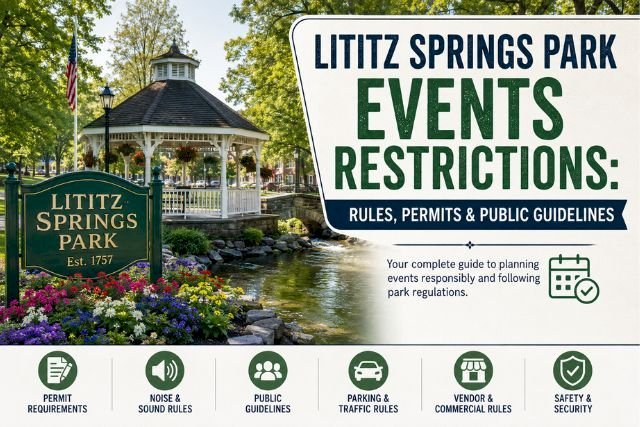
Lititz Springs Park is one of the most loved community parks in Pennsylvania. Known for its beautiful walking paths, open green spaces, spring-fed stream, and seasonal festivals, the park attracts both local residents and tourists throughout the year. From family picnics and music events to charity gatherings and holiday celebrations, the park remains an important part of community life in Lititz.
However, before planning any public gathering or private celebration, it is important to understand the lititz springs park events restrictions that apply to visitors, organizers, vendors, and businesses. These rules are designed to protect public safety, maintain the beauty of the park, reduce noise and traffic issues, and ensure everyone can enjoy the space fairly.
Many people assume public parks allow unrestricted activities, but most community parks have clear regulations regarding permits, amplified music, alcohol, vendor setups, parking, decorations, and crowd size. Ignoring these guidelines can lead to canceled events, fines, or denied permits in the future.
This detailed guide explains everything you need to know about lititz springs park events restrictions, including permits, event rules, vendor policies, safety regulations, and public guidelines. Whether you are organizing a birthday party, community festival, fundraising event, or family reunion, this article will help you plan responsibly and avoid common mistakes.
Overview of Lititz Springs Park
History and Community Importance
Lititz Springs Park has long served as a central gathering place for the local community. The park is famous for its natural spring waters, scenic beauty, and peaceful environment. Over the years, it has hosted many local traditions, seasonal celebrations, and family-friendly events.
The park is especially busy during festivals, summer concerts, holiday celebrations, and weekend gatherings. Because of this popularity, park officials have established detailed rules to manage crowds and preserve the area for future generations.
Common Activities Held at the Park
Visitors use the park for many recreational and community activities, including:
- Family picnics
- Outdoor birthday celebrations
- Charity walks
- Community festivals
- Small concerts
- Photography sessions
- Farmers markets
- School gatherings
- Cultural celebrations
Since the park welcomes a large number of visitors every year, organizers must carefully follow the lititz springs park events restrictions before hosting activities.
Why Event Restrictions Exist
Some people see park restrictions as inconvenient, but these rules actually protect both visitors and the environment. Public parks require careful management because large crowds can quickly damage natural spaces and disrupt nearby residents.
Protecting Public Safety
Safety is one of the biggest reasons for event regulations. Large gatherings may create issues such as:
- Blocked emergency access
- Traffic congestion
- Overcrowding
- Fire hazards
- Unsafe electrical setups
- Medical emergencies
By requiring permits and approvals, local officials can prepare emergency services and crowd control measures in advance.
Preserving the Environment
Lititz Springs Park contains beautiful natural areas that need protection. Excessive foot traffic, littering, and heavy equipment can damage grass, trees, pathways, and water features.
Environmental protection rules often include:
- Waste disposal requirements
- Restrictions on damaging trees or landscaping
- Limitations on tents and heavy equipment
- Cleanup responsibilities
These policies help preserve the park’s natural beauty.
Ensuring Fair Access for Everyone
Public parks belong to the community, not a single group or organization. Restrictions help prevent one event from taking over the entire park and disrupting public access.
Reservation systems and time limits ensure all visitors have an opportunity to enjoy the space fairly.
Types of Events Allowed in Lititz Springs Park
The park allows many types of gatherings, but some activities require special permission.
Small Personal Gatherings
Generally, small gatherings may not require complex approvals. Examples include:
- Family picnics
- Birthday parties
- Casual reunions
- Small group meetups
However, organizers still need to follow park rules regarding noise, cleanliness, and public behavior.
Community and Public Events
Larger organized events usually require permits. These include:
- Festivals
- Charity fundraisers
- Public performances
- Farmers markets
- School programs
- Organized sports activities
Officials may review attendance estimates, parking plans, and safety procedures before approval.
Restricted or Prohibited Activities
Some activities may be restricted or completely prohibited without authorization, such as:
- Large political rallies
- Commercial advertising events
- Fireworks displays
- Events involving alcohol sales
- Large amplified concerts
- Unauthorized vendor operations
Understanding these limits is an important part of following the lititz springs park events restrictions properly.
Ever imagined a truck that feels like a real home? Discover the 2 bedroom super sleeper truck setup in 2026
Permit Requirements for Events
When a Permit Is Required
In many cases, permits are required when events involve:
- Large crowds
- Reserved spaces or pavilions
- Food vendors
- Commercial activity
- Amplified sound systems
- Temporary structures or tents
- Fundraising sales
- Traffic control needs
Even if an event seems simple, organizers should always check with local park authorities first.
Information Usually Required for Applications
Permit applications commonly request details such as:
- Event date and time
- Expected attendance
- Event purpose
- Equipment usage
- Vendor information
- Parking arrangements
- Cleanup plans
- Insurance documentation
Providing accurate information increases approval chances and prevents delays.
Application Timing
Popular parks often receive many reservation requests, especially during warmer months. Organizers should apply early to secure preferred dates.
Last-minute applications may be rejected if staffing or scheduling conflicts exist.
Public Guidelines Visitors Must Follow
The park has public behavior rules designed to maintain a safe and pleasant environment for everyone.
Noise Restrictions
Noise complaints are one of the most common park issues. Many public parks regulate:
- Loudspeakers
- Live music volume
- DJ equipment
- Evening noise levels
Quiet hours may apply during early mornings and evenings.
Organizers should avoid excessive sound that could disturb nearby homes or other park visitors.
Alcohol Policies
Alcohol rules vary depending on local regulations and event permits. Some gatherings may prohibit alcohol entirely, while others may allow limited use with official approval.
Unauthorized alcohol distribution can result in penalties or immediate event shutdowns.
Smoking and Vaping Restrictions
Many public parks now restrict smoking and vaping in common areas to improve public health and reduce litter.
Visitors should dispose of cigarette waste responsibly and use designated smoking areas if available.
Cleanliness and Waste Disposal
Event organizers are typically responsible for keeping the park clean during and after activities.
Common cleanup expectations include:
- Removing decorations
- Proper trash disposal
- Recycling when available
- Avoiding food waste buildup
Failure to clean up properly may affect future permit approvals.
Decoration and Setup Rules
Decorations can improve events, but some items may damage public property or create safety concerns.
Tent and Structure Restrictions
Large tents or temporary stages may require approval because they can:
- Damage grass areas
- Block pathways
- Interfere with emergency access
Officials may limit the size and location of temporary structures.
Protecting Trees and Landscaping
Most parks prohibit attaching decorations directly to trees, fences, or historical structures.
Examples of restricted items may include:
- Nails
- Staples
- Ropes damaging bark
- Spray paint markings
These rules protect the park’s landscaping and historical appearance.
Balloon and Confetti Restrictions
Some parks discourage balloon releases or confetti because they create environmental pollution and cleanup challenges.
Eco-friendly decorations are usually encouraged.
Parking and Traffic Regulations
Parking management becomes very important during large events.
Public Parking Guidelines
Visitors should use designated parking areas only. Parking restrictions may include:
- Time limits
- No-parking zones
- Handicap access requirements
- Bus loading zones
Illegal parking may result in fines or towing.
Traffic Management for Large Events
Large festivals or public gatherings may require:
- Traffic control staff
- Shuttle services
- Temporary road closures
- Emergency access routes
Organizers should coordinate traffic plans with local authorities when necessary.
Proper traffic planning is often part of the official lititz springs park events restrictions process.
Vendor and Commercial Activity Restrictions
Commercial activity inside public parks is usually heavily regulated.
Vendor Approval Requirements
Food trucks, craft sellers, and merchandise vendors often need separate approval before operating inside the park.
Requirements may include:
- Business licenses
- Health permits
- Insurance coverage
- Vendor fees
Unauthorized selling is usually prohibited.
Food Service Regulations
Food vendors must follow local health and sanitation standards.
Officials may inspect:
- Food storage conditions
- Cooking equipment
- Waste disposal methods
- Handwashing facilities
These rules help protect public health during events.
Safety and Emergency Guidelines
Safety planning is essential for both small and large gatherings.
Emergency Access Rules
Organizers must keep emergency pathways open at all times.
Blocked walkways or overcrowded entrances can delay emergency responders during critical situations.
First Aid Preparedness
Large events may need:
- First-aid stations
- Medical volunteers
- Emergency communication systems
Preparedness improves safety for all attendees.
Weather Safety Procedures
Outdoor events are vulnerable to weather changes. Organizers should prepare for:
- Heavy rain
- Thunderstorms
- Extreme heat
- Wind damage
Backup plans and evacuation procedures are important for visitor safety.
Curious about this Olympic memoir? Read our The Flying Elephant memoir review and insights 2026 for a full breakdown
Photography and Filming Restrictions
Photography is common in scenic public parks, but commercial filming may require permission.
Personal Photography
Casual photography for personal use is usually allowed. Visitors often take:
- Family portraits
- Graduation photos
- Nature photography
- Engagement pictures
However, photographers should avoid disrupting public access.
Commercial Filming Rules
Professional filming projects may require permits, especially when involving:
- Large crews
- Lighting equipment
- Drones
- Reserved areas
Drone usage may also face separate aviation regulations.
Seasonal Event Restrictions
Different seasons bring different challenges and regulations.
Summer Event Rules
Summer events often attract larger crowds, which may increase restrictions regarding:
- Parking
- Noise levels
- Crowd capacity
- Vendor limits
Popular summer weekends may book quickly.
Holiday Event Policies
Holiday celebrations may involve additional rules for:
- Decorative lighting
- Fire safety
- Extended hours
- Temporary installations
Organizers should confirm seasonal regulations well in advance.
Consequences of Violating Park Restrictions
Ignoring regulations can create serious problems for both organizers and attendees.
Possible Penalties
Violations may result in:
- Event cancellation
- Fines
- Permit revocation
- Liability for damages
- Future reservation denial
Serious safety violations may involve law enforcement intervention.
Damage Responsibility
Organizers can be financially responsible for:
- Landscape damage
- Broken facilities
- Cleanup expenses
- Property repairs
Responsible event planning helps avoid unnecessary costs.
Best Tips for Successfully Hosting an Event
Following the lititz springs park events restrictions carefully can make your event smoother and more enjoyable.
Plan Early
Early planning allows time for:
- Permit approvals
- Vendor coordination
- Parking arrangements
- Equipment preparation
It also improves your chances of securing preferred event dates.
Communicate With Park Officials
Always ask questions if you are unsure about any rule or requirement.
Clear communication helps prevent misunderstandings and last-minute problems.
Keep the Event Organized
Good organization improves safety and guest experience.
Helpful practices include:
- Clear signage
- Waste stations
- Volunteer coordination
- Emergency planning
Respect Other Visitors
Remember that the park remains a shared public space. Event organizers should avoid disrupting other visitors through excessive noise, blocked pathways, or overcrowding.
Being respectful helps maintain positive relationships within the community.
Frequently Asked Questions
Do I Need a Permit for a Small Birthday Party?
Small gatherings may not always require permits, but reserved areas, amplified sound, or large attendance could require approval.
Are Pets Allowed During Events?
Many public parks allow pets if they remain leashed and owners clean up after them. Event-specific restrictions may still apply.
Can Vendors Sell Products During Community Events?
Usually yes, but vendors often need separate approval, permits, and insurance coverage.
Is Amplified Music Allowed?
Amplified sound may be restricted depending on event size, time of day, and nearby residential areas.
What Happens if Weather Cancels an Event?
Policies vary, but organizers may need to reschedule or request new approvals depending on park regulations.
Conclusion
Lititz Springs Park continues to serve as a beautiful community gathering space for residents and visitors alike. Whether you are organizing a picnic, festival, fundraiser, or family celebration, understanding the lititz springs park events restrictions is essential for creating a successful and stress-free event.
From permits and parking rules to vendor approvals and safety guidelines, every regulation exists to protect visitors, preserve the environment, and maintain fair public access. Ignoring these rules can lead to fines, canceled events, and unnecessary complications.
By planning early, communicating with officials, and respecting park guidelines, organizers can host enjoyable events while helping preserve the park’s natural beauty for future generations. Following the lititz springs park events restrictions carefully ensures that everyone can continue enjoying this historic public space safely and responsibly.
Want the full story behind the closures? Check out our why Ping Pong restaurants shut down in the UK guide for complete details