Plan Your Visit to Three Forks Natural Area: What to Know Before You Go
Discover the beauty of Three Forks Natural Area with our guide to trails, wildlife, costs, and tips. Plan your visit for an unforgettable outdoor escape.
 alissaperry
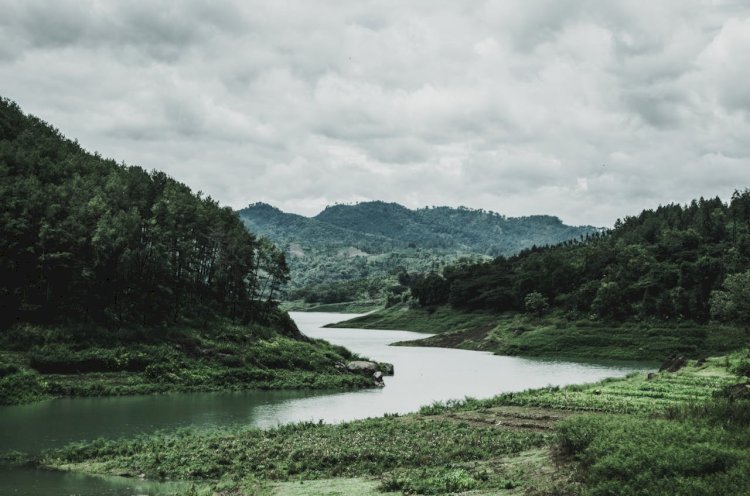
Imagine standing at the confluence of three sparkling rivers, where the sound of rushing water blends with birdsong, and trails lead you into untouched wilderness. That’s the magic of Three Forks Natural Area—a place where time seems to slow down.
Unlike crowded tourist spots, this destination offers peace, raw beauty, and a sense of adventure. Whether you’re a hiker chasing new trails, a family planning a picnic, or a photographer searching for golden-hour perfection, Three Forks will leave you with stories worth sharing.
A Brief History & Why It Matters
The “three forks” refer to the merging of waterways that shaped this landscape centuries ago, creating fertile ecosystems where wildlife thrives. Today, conservationists work hard to preserve its biodiversity, ensuring future generations can enjoy its beauty.
But this isn’t just about nature. Locals see the area as part of their heritage—a place for fishing trips, summer hikes, and family traditions. Visiting here means stepping into both natural and cultural history.
Getting There: The Journey Is Part of the Adventure
Driving to Three Forks Natural Area feels like a scene from a travel film. Rolling fields, forested backroads, and mountain silhouettes guide you toward the entrance.
-
By Car: Easily accessible via highways, with clear signage leading to parking.
-
Nearest City/Airport: [Insert details].
-
Parking: Free or low-fee lots near trailheads.
-
Accessibility: Boardwalk sections are great for strollers and wheelchairs.
Pro Traveler Hack: Arrive at sunrise—not only will you secure parking, but you’ll also catch mist rising from the rivers.
Exact Location & Trailhead Access
Three Forks Natural Area is located near the meeting point of three river branches, making it one of the region’s most scenic outdoor destinations. The main trailhead is clearly marked and accessible via maintained gravel or paved roads, depending on your entry route. Most visitors use the primary parking area closest to the River Loop Trail, while experienced hikers often start from secondary access points near the bluff and backcountry sections.
Tip: Using Google Maps or offline navigation apps is recommended, as mobile reception can be limited near the river corridors.
Things to Do at Three Forks Natural Area
1. Hiking Trails Worth Exploring
-
River Loop Trail (Easy): A gentle path following the water, perfect for families.
-
Bluff Overlook (Moderate): A short climb rewards you with panoramic views of the forks.
-
Backcountry Trail (Challenging): For experienced hikers seeking solitude.
Tip: Bring binoculars—the overlooks are prime spots for spotting eagles.
2. Wildlife & Birdwatching
Three Forks is alive with movement—songbirds flitting in branches, deer grazing at dusk, and the occasional fox darting across the trail.
Spring and fall bring migratory birds, making it a hotspot for birdwatchers. Don’t forget your camera; the lighting at dawn creates stunning silhouettes of herons and hawks.
Photographer’s Secret: Position yourself at the west fork just before sunset—the water reflects the sky like liquid gold.
3. Fishing & Water Adventures
Anglers love the rivers here. Trout and bass are common, but the real reward is the peaceful rhythm of casting your line with the forest as your backdrop.
Some areas allow kayaking or canoeing—imagine paddling through calm bends with only the splash of your paddle breaking the silence.
4. Picnicking & Relaxation
Shady groves and grassy meadows make this one of the best picnic spots around. Bring a blanket, some local produce, and enjoy lunch by the river.
Families often gather here for barbecues, while solo travelers read or sketch with nature as their inspiration.
Trail Difficulty & Time Guide
| Trail Name | Difficulty | Distance | Avg. Time |
|---|---|---|---|
| River Loop Trail | Easy | 1.2 miles | 30–45 minutes |
| Bluff Overlook Trail | Moderate | 2 miles | 1–1.5 hours |
| Backcountry Trail | Challenging | 5+ miles | 3–4 hours |
This variety makes Three Forks Natural Area suitable for all experience levels—from casual walkers to seasoned hikers looking for longer, quieter routes.
Cost vs. Experience at Three Forks Natural Area
| Expense Category | Average Cost (USD) | Experience Value |
|---|---|---|
| Entrance/Parking | $0 – $10 | Most areas are free or require a small parking fee — amazing value for full-day access. |
| Hiking | Free | Endless trails and viewpoints with no extra charge. |
| Fishing Permit | $10 – $20 (day pass) | Peaceful rivers, chance to catch trout or bass, and a meditative experience. |
| Picnic Supplies | $15 – $30 (groceries/snacks) | A family-friendly meal with riverside views that money can’t buy. |
| Nearby Dining | $15 – $40 per person | Local cafes and restaurants offering hearty post-hike meals. |
| Lodging (nearby towns) | $80 – $150 per night | Comfortable stays that let you extend your adventure into a weekend. |
| Photography | Free (bring your own gear) | Golden-hour shots, wildlife close-ups, and Instagram-worthy landscapes. |
When to Visit: Seasons of Beauty
-
Spring: Wildflowers carpet the ground, and rivers run full from snowmelt.
-
Summer: Perfect for long hikes and fishing—just prepare for warmer temps.
-
Fall: A photographer’s dream—fiery foliage against blue skies.
-
Winter: Quiet, snowy trails turn the area into a serene wonderland (though some access may be restricted).
Best Bet: Late spring and early fall give you mild weather plus breathtaking scenery.
Weather Conditions & River Safety
Weather can change quickly around river confluences, especially in spring and early summer when water levels rise due to snowmelt or heavy rainfall. Trails near the water may become muddy or slippery, and some low-lying areas may temporarily flood.
Before your visit, check local weather forecasts and river conditions. Avoid wading or kayaking after heavy rain, and always keep children at a safe distance from fast-moving water.
Rules, Conservation & Responsible Visiting
Three Forks Natural Area is protected to preserve its fragile river ecosystems and wildlife habitats. Visitors are encouraged to stay on designated trails, avoid disturbing animals, and pack out all trash.
Fishing is permitted only with valid local licenses, and open fires are typically prohibited. By respecting posted guidelines and practicing Leave No Trace principles, you help ensure the area remains pristine for future visitors.
Pro Tips for Visitors
-
Pack Smart: Water, trail snacks, sunscreen, and bug spray are non-negotiable.
-
Stay Safe: Stick to marked paths; the rivers can have strong currents.
-
Respect Nature: Follow Leave No Trace principles—leave it better than you found it.
-
Unplug: Expect minimal phone service, so embrace the digital detox.
Make It a Weekend: Nearby Attractions
-
[Nearby State Park]: Great for camping and longer hikes.
-
Local Town: Grab a hearty meal or explore small shops.
-
Scenic Drives: Winding country roads are especially magical in autumn.
One-Day Itinerary Idea:
Morning hike → Picnic lunch → Afternoon fishing → Sunset at the bluff overlook → Dinner in the nearest town.
How Three Forks Natural Area Compares to Nearby Parks
Unlike larger state parks that attract crowds, Three Forks Natural Area offers a quieter, more immersive nature experience. While nearby parks may provide campgrounds and visitor centers, Three Forks shines in its untouched landscapes, peaceful trails, and intimate river views.
If you prefer solitude, photography, and slow exploration over busy amenities, Three Forks is the better choice.
FAQs About Three Forks Natural Area
Q1: Is there an entrance fee?
Some areas may request a small maintenance or parking fee.
Q2: Are pets welcome?
Yes, dogs are allowed but must be leashed.
Q3: Can I camp here?
The natural area is day-use only, but nearby parks offer camping.
Q4: What’s the best beginner trail?
The River Loop Trail is short, scenic, and family-friendly.
Q5: Is it open year-round?
Yes, though weather conditions may affect access in winter.
Conclusion:
Visiting Three Forks Natural Area isn’t just a trip—it’s an experience. The sound of rivers merging, the thrill of spotting wildlife, and the peace of walking trails away from the crowds all combine to create memories that linger long after you leave.
So pack your bag, lace up your hiking boots, and prepare to fall in love with one of nature’s most underrated destinations. Three Forks Natural Area is waiting.
Read Also: Exploring Twin Lakes Vista: Scenic Views & Outdoor Adventures